Starting orthodontic care can feel exciting for kids, but it can also raise a lot of questions for parents.
One of the biggest questions is how dentists know if clear aligner treatment is actually working. Teeth do not move overnight, so tracking progress is the key to getting safe and lasting results.
Pediatric dentists follow a clear system that helps them check tooth movement, spot small issues early, and keep treatment moving forward in a calm and steady way.
When progress is monitored often, kids feel more confident and parents feel more informed. This shared understanding makes the entire experience smoother from the first visit to the final smile.
What Invisalign Progress Means for Children
Progress means that a child’s teeth are slowly shifting into healthier positions over time, and this movement needs to happen at the right pace.
Teeth that move too quickly or too slowly can lead to issues, especially in growing mouths where the jaw and gums are still developing.
Pediatric dentists know that every child grows differently, which is why progress must be checked carefully and regularly throughout treatment.
With Invisalign in Methuen MA, progress is planned from the very beginning in a clear and predictable way. Before treatment starts, the dentist creates a step-by-step plan that shows how each tooth should move over time.
Tracking progress helps make sure the teeth are following this plan as expected. If something looks slightly off, the dentist can make small adjustments early, helping keep the treatment comfortable, safe, and on the right path for a healthy smile.
How Pediatric Dentists Monitor Aligner Progress
Regular In-Office Checkups
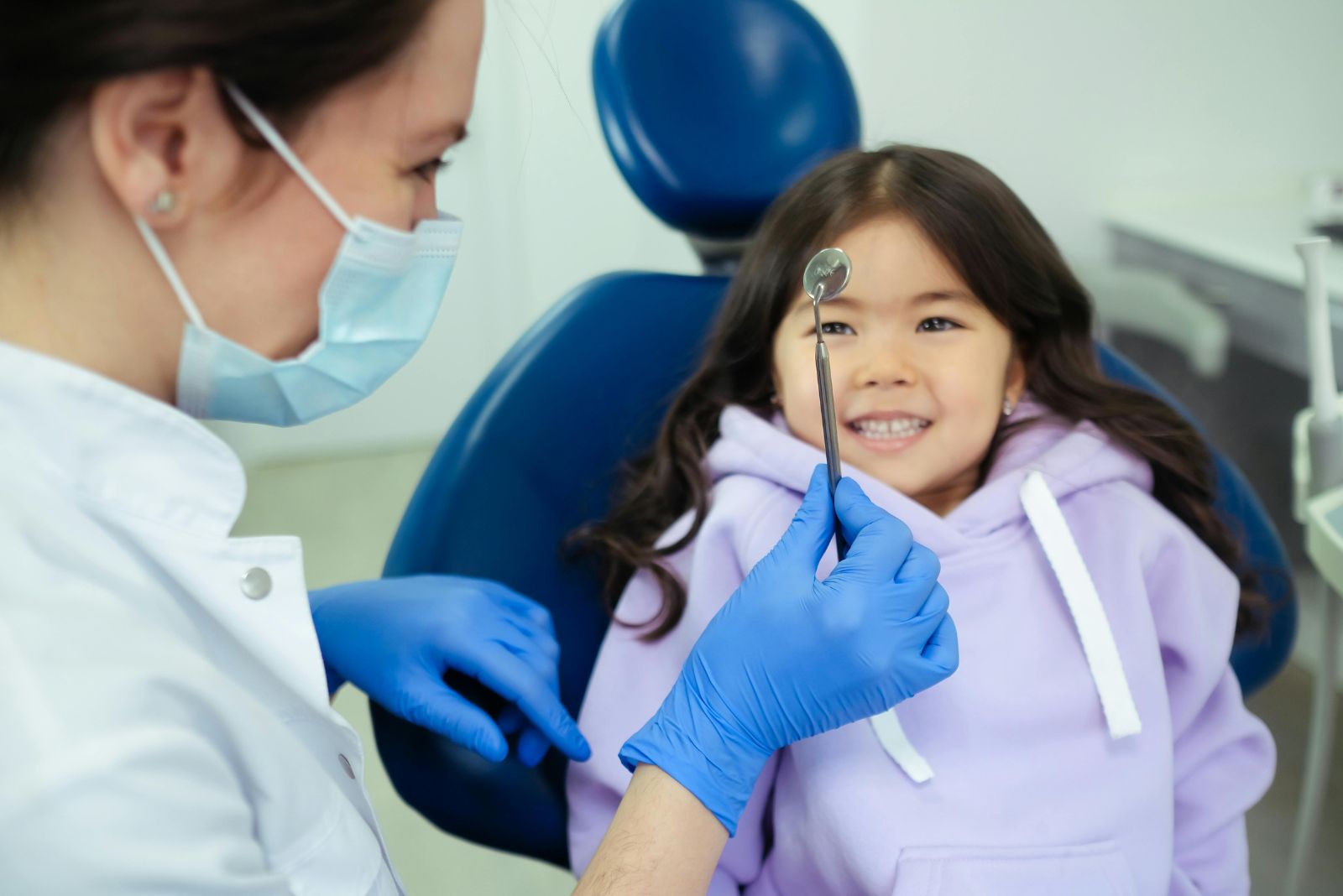
One of the most important ways progress is tracked is through regular dental visits. These appointments allow the dentist to check how the aligners fit and how the teeth are responding. Most visits are short and comfortable, which helps kids stay relaxed and cooperative.
During these checkups, the dentist looks at tooth position, bite changes, and overall comfort. They also ask simple questions about how often the aligners are worn and whether anything feels unusual. These conversations give helpful insight into how treatment is going at home.
Digital Scans and 3D Images
Modern pediatric dental offices often use digital scans instead of traditional moulds. These scans create clear, detailed images of the teeth and gums. By comparing scans from different visits, dentists can see even small movements that are hard to notice with the naked eye.
These images are also great for kids and parents. Seeing before-and-after scans side by side makes progress easier to understand. It turns abstract ideas into something visual and reassuring.
Comparing Tooth Movement Over Time
Tracking tooth movement is similar to watching a tree grow. Daily changes may not be easy to notice, but steady progress becomes clear over time. In orthodontics in Methuen MA, dentists carefully compare current tooth positions with earlier records to check whether the movement is following the original treatment plan.
If teeth are shifting slower or faster than expected, the dentist can adjust the treatment schedule as needed. This thoughtful monitoring helps keep the process safe and effective, making sure results are achieved at the right pace without rushing or unnecessary delays.
How Kids and Parents Help Track Progress
Wearing Aligners as Directed
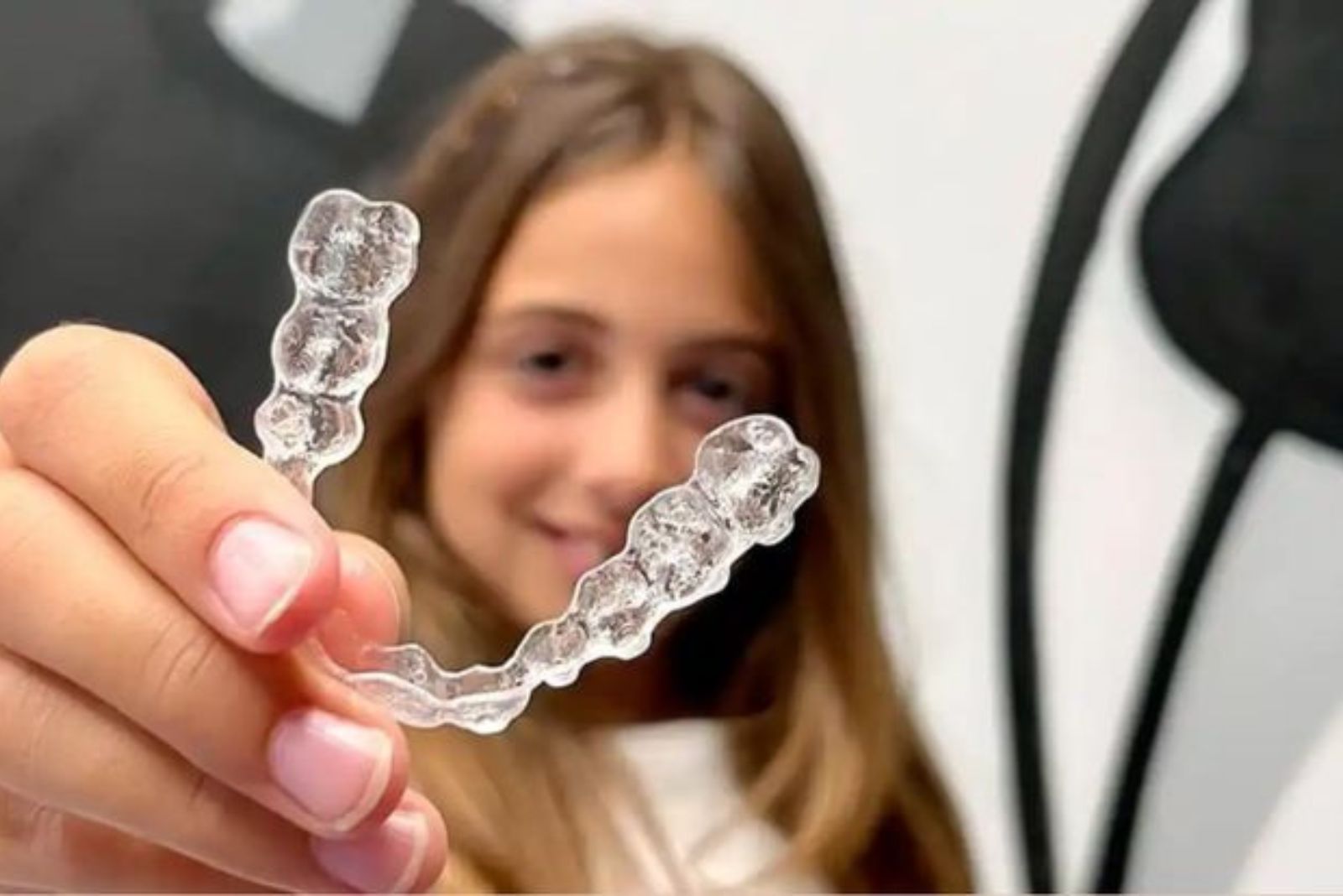
Dentists can only track progress that actually happens, which means wearing aligners as directed is very important. Most children are asked to wear their aligners for many hours each day. Consistent wear allows teeth to move as planned.
Parents play a big role here. Gentle reminders, setting routines, and checking aligner use help kids stay on track. This teamwork makes progress easier to measure during dental visits and reduces the need for extra adjustments.
Watching for Fit and Comfort
Parents and kids can also help by noticing how the aligners feel. Aligners should fit snugly but should not cause lasting pain. Mild pressure is normal, especially with a new set, but discomfort should fade quickly.
If clear aligners feel loose or uncomfortable for too long, it is important to mention it during the next visit. These small observations help dentists decide if everything is moving in the right direction.

Technology Pediatric Dentists Use
Digital Treatment Planning
Before treatment begins, dentists use special software to map out each stage. This digital plan shows how teeth should move week by week. It becomes the guide used during every progress check.
By following this plan, dentists can quickly spot differences between expected and actual movement. This makes tracking more accurate and helps children reach their smile goals without unnecessary delays.
Progress Tracking Software
Dentists also use software to store notes, images, and scan results from every visit. Over time, this creates a clear record of progress. Each visit adds another piece to the overall picture.
This organised system helps dentists explain changes in simple language. It also helps families feel involved, because they can see how each step builds on the last one.
Signs Treatment Is Staying on Track
When treatment is going well, aligners fit properly and teeth continue to shift as planned. Kids may notice small gaps closing or teeth lining up more evenly. Dentists confirm these signs during regular checkups.
Good progress also means fewer surprises. Appointments stay predictable, and the overall timeline remains steady. This builds confidence for families, especially those looking for consistent pediatric dental care close to home in Methuen.
What Happens If Progress Slows
Sometimes teeth do not move exactly as planned. This can happen if aligners are not worn long enough or if a tooth needs extra time to shift. When this happens, dentists stay calm and focused.
They may adjust the treatment plan, provide new aligners, or explain wear instructions more clearly. These changes help bring progress back on track without stress. Careful tracking allows dentists to fix small issues early, which protects long-term results.
Why Pediatric Expertise Matters
Children are not just smaller adults. Their mouths are still growing, which means tooth movement needs special attention. Pediatric dentists are trained to watch jaw growth, tooth eruption, and bite changes throughout treatment.
This experience helps them make smart decisions at every stage. Families in Methuen benefit from this focused care because it supports healthy development along with straighter teeth.
Building Confidence Through Progress Checks
Progress checks are about more than measurements. They also help build trust and confidence. When kids understand what is happening, they feel more comfortable and less anxious.
Dentists often explain progress in simple words and use images to show changes. This positive approach makes visits easier and encourages good dental habits. Over time, tracking progress becomes a shared journey instead of a confusing process.
How Invisalign Fits Into Long-Term Dental Health
Clear aligners support more than just straight teeth. Proper alignment makes brushing and flossing easier, which helps protect teeth and gums over time. Tracking progress helps make sure treatment supports these long-term benefits.
When dentists monitor movement carefully, they help protect enamel, gums, and jaw health. This thoughtful approach supports smiles that stay healthy well after treatment ends.
At Happy Hoppers Pediatric Dentistry and Braces, families often appreciate how clearly progress is explained at every stage of care.
Conclusion
Tracking aligner progress is a careful mix of experience, technology, and teamwork. Pediatric dentists use regular checkups, digital tools, and clear communication to guide each step. When kids and parents stay involved, treatment feels easier and more predictable.
At Happy Hoppers Pediatric Dentistry and Braces, progress tracking is handled with patience and friendly guidance, helping children feel confident while working toward healthier, straighter smiles.
Sources: