Menu
- About Us
-
Pediatric Dentistry
Preventive & Restorative
Emergency & Sedation
Holistic & Protection
-
Orthodontics
Braces & Aligners
Airway & Sleep

Looking at how your child breathes and sleeps, not just how their teeth line up.

These signs are often connected. The way a child’s jaw and airway grow can affect how easily they breathe, and catching it early gives the best chance to guide healthy development.
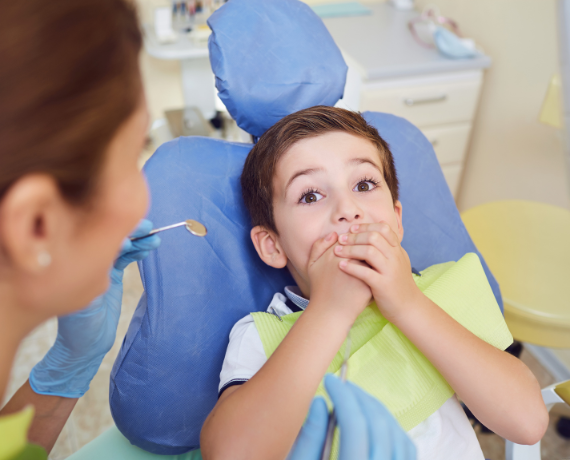


Why Early Care Makes a Difference A child’s face, jaws, and airway develop quickly in the early years. That window is also when gentle guidance works best. Left unaddressed, a narrow airway or an underdeveloped jaw can affect sleep, focus, and growth. Evaluating early means we can often guide development at the right time, when treatment is simpler, rather than managing a bigger problem later.



Evaluation We start with a thorough look at your child’s breathing patterns, sleep habits, jaw shape, and bite, using child-friendly digital imaging to see how the jaws and airway are developing.
Treatment when needed Based on what we find, we may recommend early orthodontic appliances that support healthy growth, such as:
These are designed for comfort, worn without surgery, and chosen to fit your child’s specific needs.
Working with your child’s doctor Airway orthodontics supports healthy development and can be part of managing sleep-disordered breathing, but it is not a standalone diagnosis or cure. Where a sleep disorder is suspected or diagnosed, we work alongside your child’s physician or a sleep specialist.
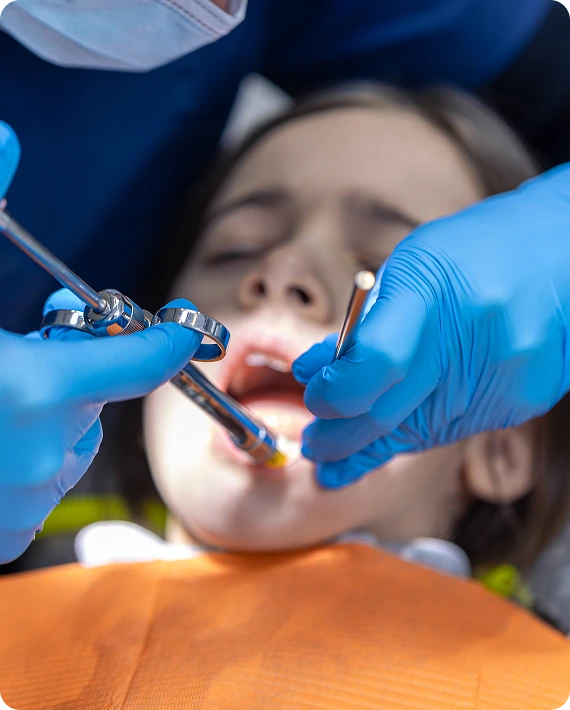





It is orthodontic care that looks at how the jaw and airway develop and affect breathing and sleep, not just tooth alignment. It uses early, gentle guidance to support healthy growth.
Common signs include mouth breathing, snoring, restless sleep, grinding, and daytime tiredness. An evaluation with Dr. Kotak can tell you whether there is a concern worth addressing.