As a parent, you want the best for your child’s dental health, especially when treatments like dental crowns are suggested.
Crowns on baby teeth usually last between 3 to 5 years, protecting the tooth until it naturally falls out. They help restore function, prevent further decay, and support proper chewing and speech.
The procedure is safe and commonly performed in children. With proper care, crowns remain strong and effective. Understanding their purpose and lifespan can help you feel more confident in choosing the right treatment for your child’s long-term oral health.
Why Do Baby Teeth Need Dental Crowns?
Baby teeth are essential for chewing, speaking, and guiding permanent teeth into place. When a tooth is damaged by decay, injury, or weak enamel, dentists may recommend a dental crown in Methuen to restore strength and function.
Crowns are often used for large cavities, broken teeth, or after pulp treatment to protect the remaining structure. They also help in cases of developmental defects like enamel hypoplasia.
By covering and protecting the tooth, crowns prevent further damage and maintain proper spacing. This ensures the baby tooth stays in place until it naturally falls out, supporting healthy development of the permanent teeth.
How Long Do Dental Crowns Last on Baby Teeth?
The short answer: dental crowns on baby teeth typically last 3 to 5 years, though some may last longer depending on several factors.
This timeframe makes sense because baby teeth are designed to shed and be replaced. A crown doesn’t need to last a lifetime, it just needs to protect the tooth until the permanent tooth is ready to come in.
Factors that influence crown lifespan include:
- The tooth’s natural shedding timeline – Baby teeth typically fall out between ages 6 and 13, depending on which tooth is crowned
- Your child’s oral hygiene habits – Better brushing and flossing can extend crown life
- Diet and eating habits – Sticky, hard, or sugary foods can wear or damage crowns faster
- The type of crown material – Stainless steel crowns are more durable than tooth-colored alternatives
- Your child’s age when the crown is placed – A crown placed on a 4-year-old will likely need to last longer than one on a 9-year-old
It’s important to remember that the crown is designed to come out naturally along with the baby tooth. Your dentist won’t typically remove it early unless there’s a problem.
Types of Dental Crowns for Baby Teeth
Not all crowns are the same. Understanding the differences helps you understand expected durability and appearance.
Stainless Steel Crowns (SSCs)
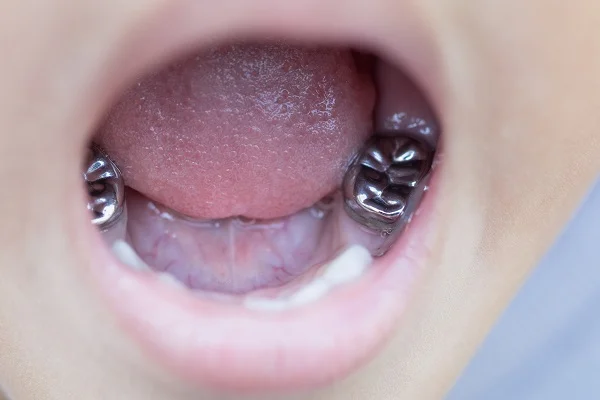
Stainless steel crowns are the gold standard in pediatric dentistry. They’re incredibly durable, resistant to wear, and typically last the full 3 to 5 years without problems.
Advantages:
- Extremely durable and long-lasting
- Affordable
- Proven track record in pediatric dentistry
- Resistant to decay
- Require minimal tooth preparation
Disadvantages:
- Silver/metallic appearance (not tooth-colored)
- Some parents find them less cosmetically pleasing
Stainless steel crowns are the most commonly recommended because they reliably protect baby teeth until natural shedding occurs.
Tooth-Colored Crowns
Some parents prefer tooth-colored ceramic or composite crowns for better aesthetics. However, these materials are generally less durable on baby teeth and may need replacement or repair during their lifespan.
Advantages:
- Natural appearance
- More cosmetically pleasing
Disadvantages:
- Less durable than stainless steel
- More expensive
- Higher risk of chipping or wear
- May not last the full 3 to 5 years
What to Expect: Crown Placement and Care
Getting the Crown Placed
The process is straightforward and designed with children in mind:
- Tooth preparation – Your dentist gently removes the damaged portion and shapes the tooth
- Sizing – The dentist selects the correct crown size
- Fitting – The crown is checked for proper fit and bite
- Placement – The crown is bonded or cemented into place
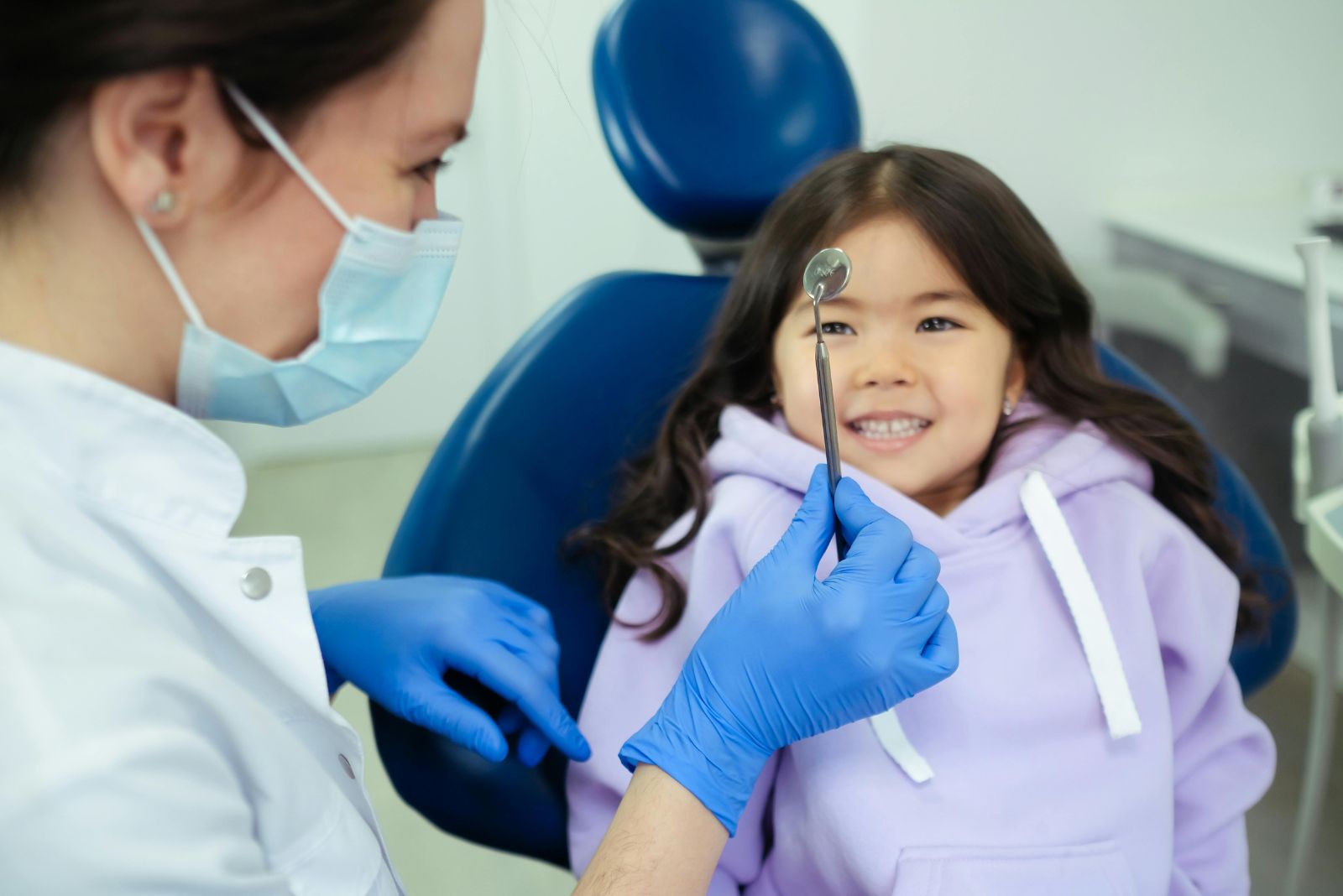
The entire procedure typically takes 30 to 45 minutes. Most pediatric dental offices, including Happy Hoppers Pediatric Dentistry and Braces in Methuen, use child-friendly techniques to keep kids comfortable throughout.
Caring for a Crowned Baby Tooth
A crowned tooth requires the same care as a natural tooth actually, sometimes less worry because the crown protects the underlying tooth.
Post-placement care tips:
- Avoid very hard or sticky foods for the first 24 hours
- Brush gently around the crown twice daily with a soft toothbrush
- Continue daily flossing (be gentle near the crown)
- Avoid chewing on hard objects or ice
- Attend regular dental checkups every 6 months
- Monitor for any looseness or damage
Most children adapt quickly to crowns and don’t have trouble eating or speaking. Within a few days, they often forget it’s there.
What Happens When a Baby Tooth with a Crown Falls Out?
This is a common parental concern: What happens when the baby tooth is ready to shed?
The natural process:
When the permanent tooth below starts erupting, the baby tooth’s roots naturally resorb (dissolve). This loosening process happens regardless of whether the tooth has a crown. Eventually, the baby tooth crown and all will become loose enough to fall out.
Important notes:
- The permanent tooth will NOT be affected by the crown
- The crown will come out with the natural tooth shedding
- If a crowned baby tooth hasn’t shed by age 13–14 (well past normal shedding age), your dentist may recommend removal
- In rare cases, the permanent tooth may be slightly delayed in erupting, but the crown itself doesn’t cause this
This natural shedding process is why crowns on baby teeth are considered temporary restorations, even though they last several years.
Common Questions About Baby Teeth Crowns
How much does a dental crown on a baby tooth cost?
Costs vary by location and provider, and when planning care alongside orthodontics in Methuen MA, stainless steel crowns typically range from $300 to $600 per tooth, while tooth-colored options may cost $500 to $1,000 or more. Many insurance plans cover part of the cost, so it’s best to check with your dentist before proceeding.
Can a crowned baby tooth develop decay underneath the crown?
This is unlikely if the tooth was properly prepared and the crown is well-fitted. However, decay can develop at the crown’s edge if oral hygiene is poor. This is why regular brushing, flossing, and dental checkups are essential. Your dentist will monitor the crowned tooth at each visit.
What if the crown falls off before the baby tooth sheds?
Sometimes a crown can come loose, especially if your child chews hard objects or the fit wasn’t perfect. If it happens, contact your dentist soon. Keep the crown if you find it, as it may be reused. In most cases, the dentist can quickly re-cement or replace it without much hassle.
Will a crown on a baby tooth affect the permanent tooth?
No. A properly placed crown on a baby tooth will not affect the development or eruption of the permanent tooth below it. The permanent tooth is protected from the crown and sits safely beneath the baby tooth until it’s ready to erupt.
Preventative Measures: Avoid Needing a Crown
While dental crowns are an excellent treatment option, prevention is always better than treatment. Here’s how to help your child avoid needing a crown:
Establish strong oral hygiene habits early:
- Brush twice daily with fluoride toothpaste (use a pea-sized amount for children under 3)
- Floss daily starting around age 2–3
- Limit sugary snacks and drinks
- Encourage water as the primary beverage
Protect teeth from injury:
- Use mouthguards during sports and physical activities
- Teach kids not to chew on hard objects
- Supervise play to prevent falls and dental trauma
Regular dental visits:
- Schedule checkups every 6 months
- Catch decay early before it requires a crown
- Professional cleanings remove plaque buildup
Fluoride treatments:
- Ask your dentist about topical fluoride applications
- Fluoride strengthens enamel and reduces decay risk
When to Seek Pediatric Dental Care
If you notice any of these signs in your child’s mouth, schedule an appointment with a pediatric dentist:
- Dark spots or discoloration on a tooth (possible decay)
- Swelling or tenderness around a tooth
- A broken or chipped tooth from injury
- Sensitivity to hot, cold, or sweet foods
- Persistent bad breath or bleeding gums
- Tooth pain or complaints of discomfort
Early detection and treatment often prevent the need for crowns. However, if your child does need one, modern dental crowns are safe, durable, and highly effective.
Conclusion
Dental crowns on baby teeth usually last about 3 to 5 years, helping protect the tooth until the adult tooth comes in. Even though they are temporary, crowns play an important role in keeping your child’s teeth strong, functional, and healthy during key growth stages.
If your child needs a crown, it is a safe and common treatment. At Happy Hoppers Pediatric Dentistry and Braces, experienced professionals ensure gentle care and support for every family.
Choosing the right dental team helps build a strong foundation for lifelong oral health. If you have concerns, book a consultation today. Your child’s healthy smile matters.
Source Urls:
- https://www.who.int/health-topics/oral-health#tab=tab_1
- https://www.servicesaustralia.gov.au/child-dental-benefits-schedule
- https://www.nidcr.nih.gov/health-info/for-children
- https://www.cdc.gov/oral-health/prevention/oral-health-tips-for-children.html?CDC_AAref_Val=https://www.cdc.gov/oralhealth/basics/childrens-oral-health/index.html