When a child needs a dental crown in Methuen, MA, parents often wonder which type will work best for their young patient.
Dental crowns protect damaged or decayed teeth and help children maintain healthy smiles as they grow. Understanding the different crown options available can help you make an informed decision with your pediatric dentist.
This guide explores the main types of dental crowns used for children, how they work, and what to expect during the process.
Why Do Children Need Dental Crowns?
Dental crowns serve an important purpose in pediatric dentistry. When a child’s tooth suffers significant decay, trauma, or structural damage, a crown restores its strength and function. Baby teeth are crucial for proper development, even though they eventually fall out.
Your pediatric dentist may recommend a dental crown in Methuen if your child has a large cavity that can’t be filled with a simple restoration. Crowns also help when a tooth has been knocked out or when a child has weak enamel due to developmental issues.
Getting a crown early prevents complications like infections, tooth pain, and problems with jaw development during these important growing years.
Stainless Steel Crowns: The Gold Standard
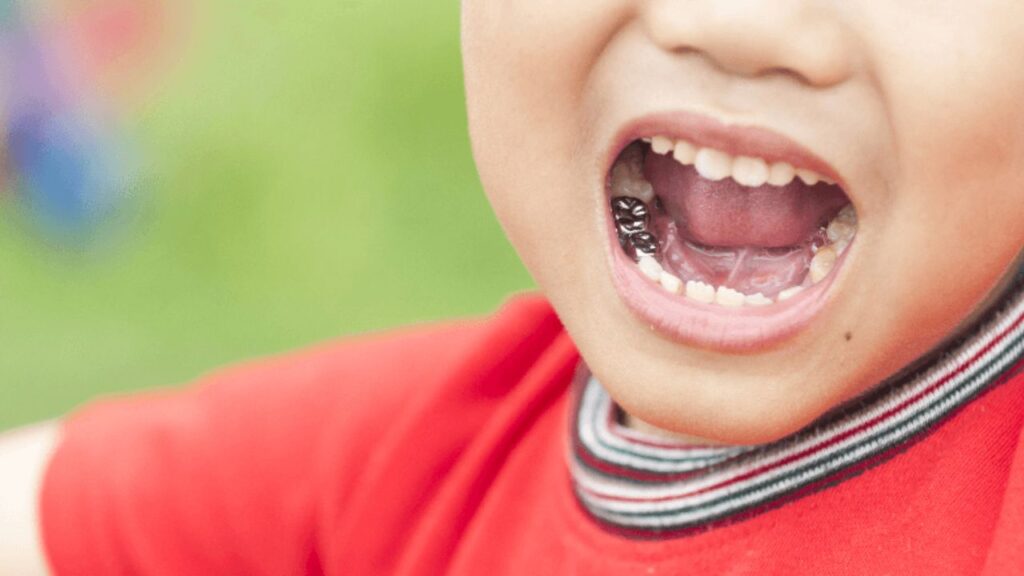
Stainless steel crowns are the most commonly used crowns for children’s primary teeth. Dentists have relied on them for decades because they’re durable, affordable, and effective.
These crowns are pre-formed and fit over the prepared tooth. They require minimal removal of tooth structure and can be placed quickly, which is especially helpful for children who may feel anxious in the dental chair.
Stainless steel crowns withstand the natural wear and tear of childhood chewing without breaking or wearing down.
The main consideration with stainless steel crowns is appearance; they have a metallic look that some parents prefer to conceal. However, they work extremely well for back teeth (molars) that are less visible when your child smiles.
Tooth-Colored Crowns for Front Teeth
When a front tooth needs a crown, parents often prefer tooth-colored options. Composite resin crowns and ceramic crowns blend naturally with surrounding teeth and look like your child’s natural smile.
Composite resin crowns are made from a tooth-colored material bonded to the tooth. They’re less durable than stainless steel but offer better aesthetics for visible teeth. These crowns may need replacement as your child grows and the tooth develops.
Ceramic or porcelain crowns provide the most natural appearance but are typically reserved for older children or as a longer-term solution. They’re more fragile than stainless steel, so they’re usually recommended for low-bite-force areas.
Zirconia Crowns: A Stronger Alternative
Zirconia crowns represent a newer option that combines strength with better aesthetics. Made from a tooth-colored ceramic material, zirconia is significantly stronger than traditional porcelain crowns and highly resistant to chipping.
These crowns work well for children’s back teeth when appearance matters more than with traditional stainless steel. Zirconia offers durability comparable to stainless steel with a natural tooth-colored appearance. While they cost more than stainless steel, they may require fewer replacements as your child grows.
Zirconia crowns are biocompatible and don’t contain any metal, making them an excellent choice for children with metal sensitivities or parents seeking metal-free options.
Deciding Between Crown Types: Key Factors
When recommending the best crown for your child, several factors need consideration. The tooth’s location matters significantly; back teeth require different crowns than front teeth. How long the tooth will likely remain before natural shedding also influences the choice, and your kid’s dentist in Methuen, MA can help evaluate this timeline.
Your child’s age and cooperation level during dental visits matter too. Younger children may benefit from quicker stainless steel placement, while older children approaching their teen years might be candidates for longer-lasting tooth-colored options. Budget and insurance coverage are practical considerations as well.
Stainless steel crowns are typically the most affordable and durable for primary teeth. Tooth-colored and zirconia options cost more but provide cosmetic advantages for visible teeth. Your dentist will discuss all options with you to find the best balance between durability, appearance, and cost.
What to Expect During the Crown Process
The crown procedure typically involves two appointments. First, your dentist numbs the area, removes decay, and shapes the tooth. For stainless steel crowns, this process is quick, often 15 to 30 minutes. Your child receives a local anesthetic, so they shouldn’t feel pain, though they may hear and feel pressure.
Impressions or measurements determine the exact crown size. Some offices now use digital scanning instead of traditional impressions, which many children find more comfortable. The dentist places a temporary crown until the permanent one is ready.
At the second appointment, usually one to two weeks later, your dentist removes the temporary crown and cements the permanent one in place. The tooth is now protected and should function normally for years.
Caring for Crowned Teeth
Crowned teeth need the same care as natural teeth. Your child should brush twice daily with fluoride toothpaste and floss once daily. Crowns can’t develop cavities themselves, but the tooth underneath needs protection.
Avoid sticky candies and hard foods that might dislodge a crown, especially during the first few weeks. Some crowns are more susceptible to damage than others your dentist will advise on specific care based on the crown type.
Regular dental checkups allow your dentist to monitor the crown’s condition and the underlying tooth health. If a crown becomes loose, cracked, or uncomfortable, contact your pediatric dentist promptly.
FAQ: Common Questions About Children’s Dental Crowns
How long do dental crowns last on baby teeth?
Stainless steel crowns typically last until the tooth naturally sheds, often 5 to 10 years depending on the child’s age when placed. Tooth-colored crowns may require replacement sooner due to wear. Your dentist can advise on expected longevity based on your child’s specific situation.
Will a crown affect my child’s speech or eating?
Most children adjust quickly to their crowns. Speech and eating may feel slightly different for the first few days, but they usually return to normal within a week. The dental crown shouldn’t interfere with normal development or function.
Can my child get a cavity under a crown?
The crown itself can’t decay, but if bacteria reach the tooth underneath (due to a loose or damaged crown), decay can develop. This is why proper oral hygiene and regular dental visits are essential.
Is the procedure painful for children?
The tooth is numbed before any work begins, so your child shouldn’t feel pain, only pressure and vibration. Many pediatric dental offices use child-friendly language and techniques to keep children calm and comfortable.
Conclusion
Choosing the right dental crown in Methuen, MA, for your child depends on the tooth’s location, your child’s age, and your family’s priorities regarding cost and appearance. Stainless steel crowns offer proven durability and affordability for back teeth, while tooth-colored and zirconia options provide better aesthetics for visible teeth.
At Happy Hoppers Pediatric Dentistry and Braces, our experienced team understands how important it is to protect your child’s developing smile. We work with families to select the crown option that best meets their child’s needs and your family’s values.
If your child needs a crown or you’d like to discuss restoration options, we encourage you to schedule a consultation with our team. Your child’s healthy, confident smile is our priority.
Source Urls: