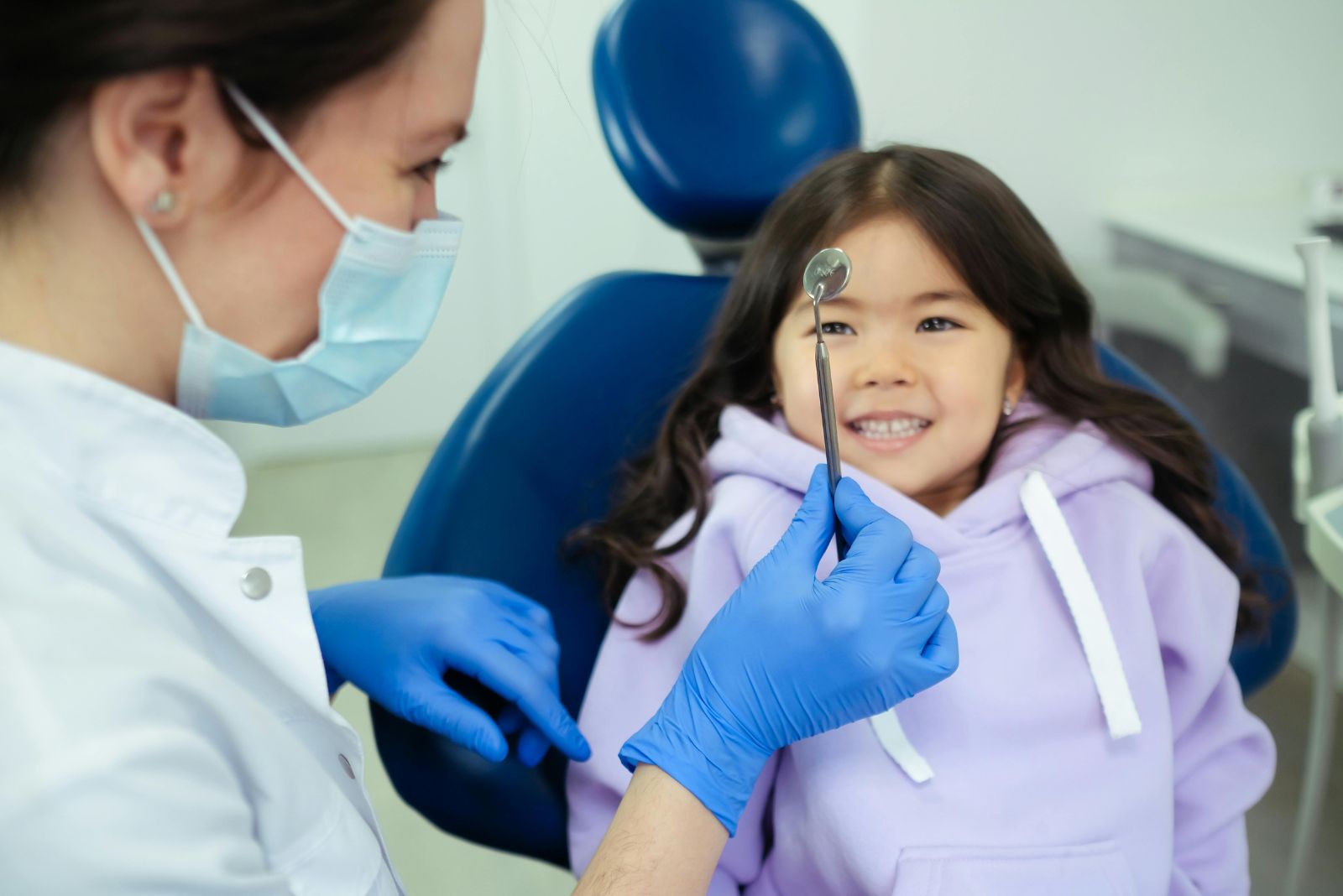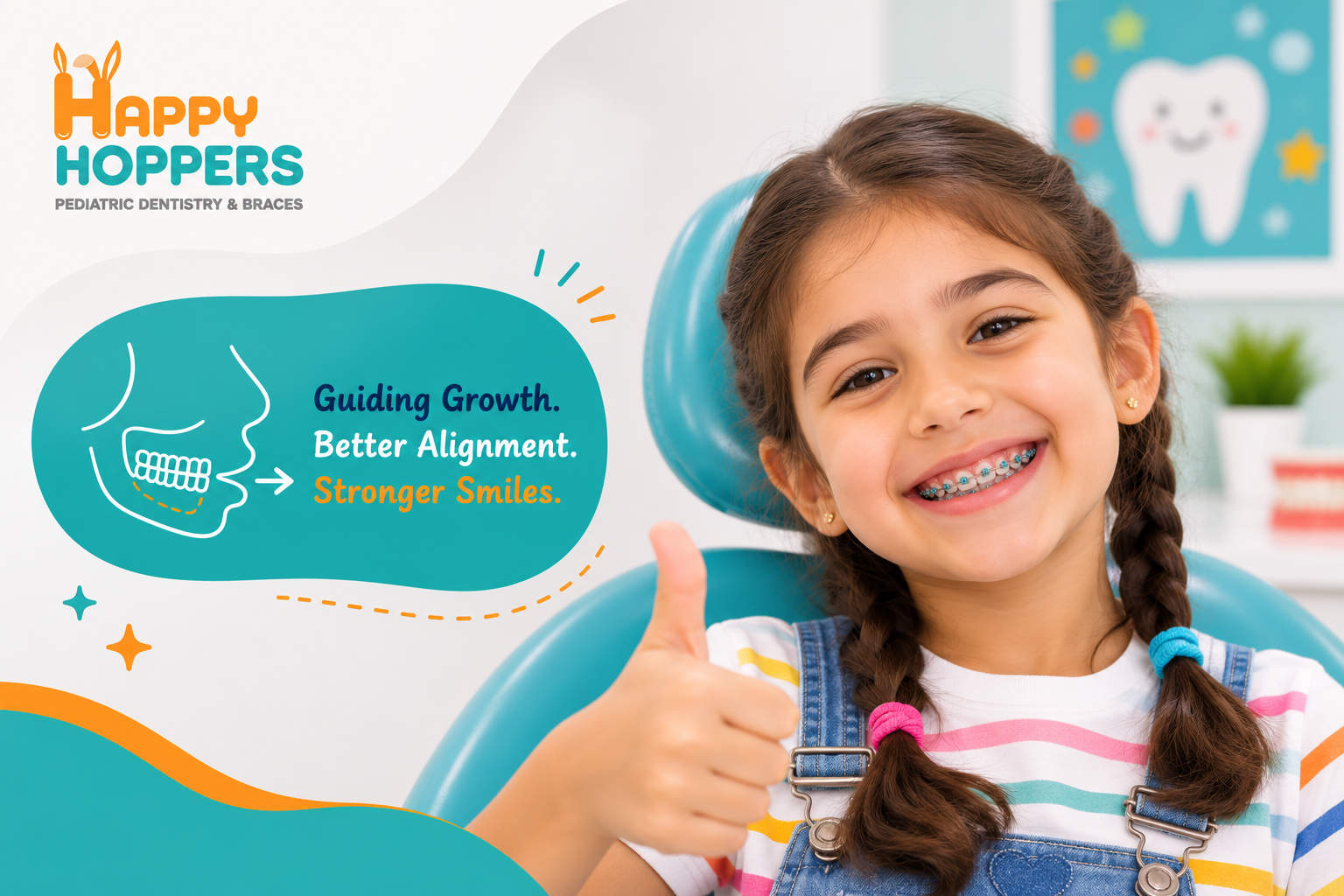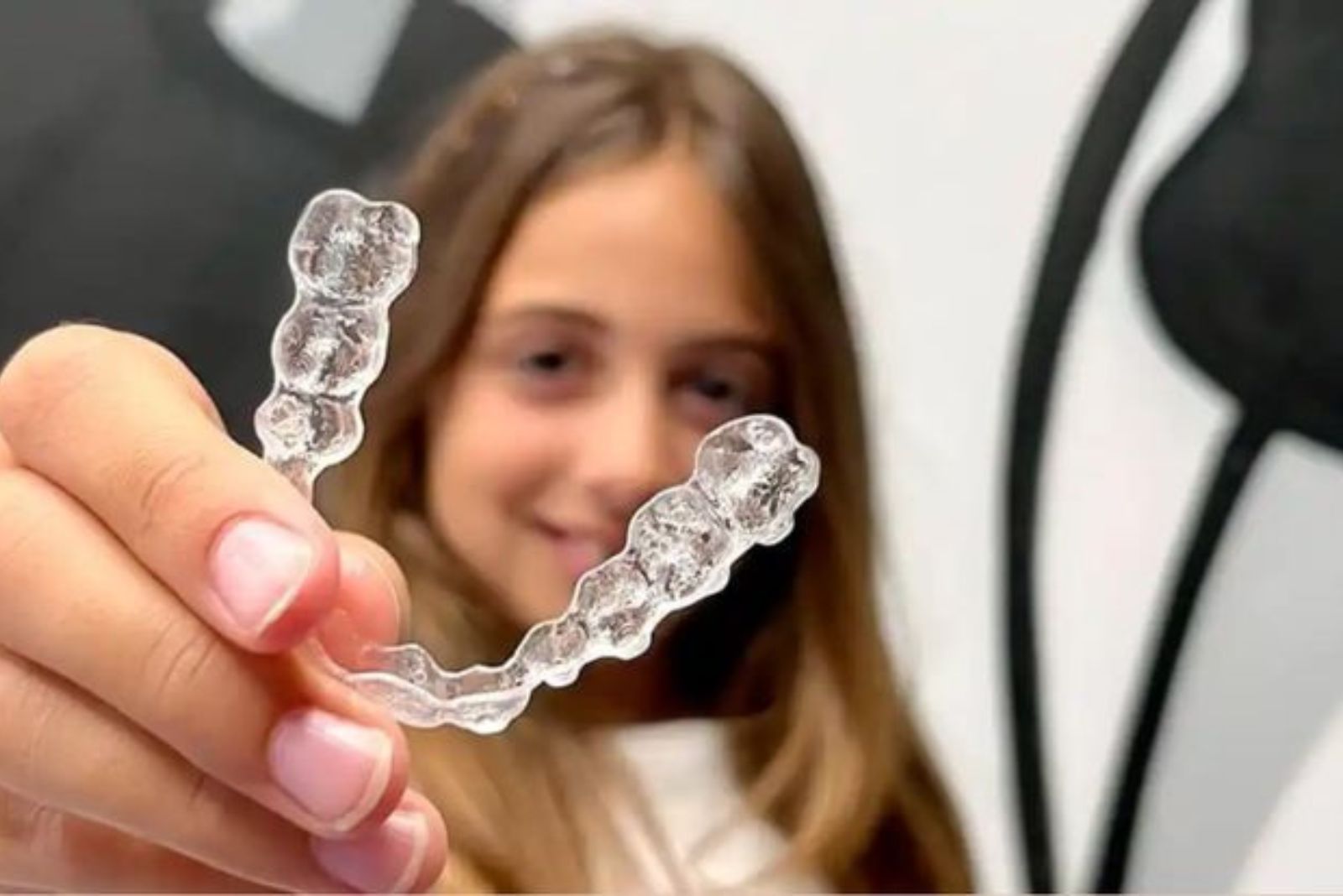
As a parent, you want what’s best for your child’s health and that includes their smile. If your child is developing adult teeth or showing signs of misalignment, you may be wondering about the role braces play in jaw development.
Understanding how braces affect jaw growth is important for making informed decisions about your child’s orthodontic care. Braces don’t just straighten teeth; they can actually guide how the jaw develops as your child grows.
This guide explains the relationship between braces and jaw growth, helping you understand what to expect during orthodontic treatment.
How Jaw Growth Happens in Children
Before discussing braces, it’s important to understand how children’s jaws develop naturally. Children’s jaws grow rapidly from infancy through the early teenage years, with most growth happening before age 12.
During this time, the bones are still forming and respond well to gentle pressure. This is why treatments like braces in Methuen can help guide proper development early.
The upper and lower jaws may not grow at the same rate, leading to issues like overbites, underbites, or crossbites. Early orthodontic care can help correct these differences and support healthy jaw alignment and function.
The Role of Braces in Directing Jaw Growth
Braces apply gentle, consistent pressure to teeth and can influence jaw development during critical growth periods. When applied at the right developmental stage, braces help guide the jaw to develop in a more aligned position.
This is especially effective during childhood and early teenage years when the jaw is still actively growing. The pressure from braces stimulates bone remodeling, a natural process where old bone is removed and new bone is added.
This allows teeth to move into better positions while simultaneously helping to guide the jaw’s growth pattern. In some cases, strategic brace placement can help correct bite problems that might otherwise worsen as the child grows.
Timing Matters: Early Treatment vs. Later Treatment
Early Intervention (Ages 7–10)
Early assessment and treatment can be highly effective. If orthodontic problems are detected during active jaw growth, interceptive treatment with braces or other appliances can help guide the jaw toward better development. Starting early may reduce the need for more invasive treatment later.
Standard Treatment (Ages 11–13)
Most children receive braces during this age range when permanent teeth are coming in and jaw growth is still occurring. Treatment during this window allows orthodontists to work with natural growth patterns rather than against them. The combination of jaw development and tooth movement creates better outcomes.
Delayed Treatment (Teens and Beyond)
Teenagers and adults can still benefit from braces, but their jaws have largely finished growing. Treatment focuses more on moving teeth into alignment rather than guiding jaw growth. This often requires longer treatment times or may need supplemental jaw-related treatments.
Can Braces Actually Change Jaw Shape?
This is a common question parents ask. The answer is nuanced: braces primarily move teeth, but they can indirectly influence how the jaw appears and functions.
By aligning teeth properly, braces may change how the bite closes and how the lower jaw positions itself relative to the upper jaw. This can subtly affect the profile and appearance over time.
However, severe jaw growth problems such as significant underbites or overbites may require additional treatment beyond braces, potentially including special growth-modifying appliances or, in rare cases, surgical correction after growth is complete.
Overjet, Overbite, and Underbite: How Braces Help
Overjet occurs when upper front teeth stick out too far. Braces can pull these teeth back, especially if started during growth years when the lower jaw may still be developing forward.
Overbite happens when upper teeth overlap lower teeth excessively. Braces can intrude upper teeth and encourage lower jaw growth forward, helping to correct this naturally during development.
Underbite is when the lower jaw is too far forward or the upper jaw too far back. Early braces treatment can encourage forward growth of the upper jaw while the child is still growing, potentially reducing the severity of the underbite.
Each situation is unique, and an orthodontic evaluation is essential to determine the best approach.
What Parents Should Know About Braces and Development
Growth Doesn’t Stop with Braces
Children continue to grow even while wearing braces. Your orthodontist monitors this growth carefully and adjusts the treatment plan as needed. With support from professionals in orthodontics in Methuen, regular check-ups ensure that braces are working effectively as the jaw develops.
Retention is Critical After Treatment
Once braces are removed, retainers are essential. Teeth naturally want to shift back, and without retention, all the progress can be lost. This is especially true in children and teenagers whose jaws are still developing.
Not Every Child Needs Braces
While braces are beneficial for many children, not all develop alignment issues. Regular dental check-ups starting around age 7 help identify early problems when intervention is most effective.
FAQ: Common Questions About Braces and Jaw Growth
At What Age Should My Child See an Orthodontist?
The American Association of Orthodontists recommends an initial orthodontic evaluation around age 7. This doesn’t mean treatment will begin immediately, but early assessment allows orthodontists to monitor growth and catch problems when they’re easiest to correct.
Will Braces Help My Child’s Breathing or Jaw Pain?
Some jaw and breathing issues are related to bite problems that braces can address. If your child experiences jaw pain or breathing difficulties, a comprehensive evaluation by a dental professional is important to determine the underlying cause and appropriate treatment.
How Long Does Orthodontic Treatment Usually Take?
Treatment duration varies, but most children wear braces for 18–24 months. Younger children starting with growth-guiding treatment may have longer overall treatment timelines, while older teens might need 12–18 months.
Can Braces Fix an Underbite Caused by a Small Upper Jaw?
If caught early during growth years, braces combined with growth-modifying appliances can encourage upper jaw development. Severe cases may require additional interventions, but early treatment offers the best outcomes.
Conclusion
Braces play an important role in guiding jaw growth and development during childhood and the teenage years. By working with the natural growth process, braces can help prevent or correct bite problems before they become more serious.
If you’re considering orthodontic treatment for your child, starting with an evaluation during the growth years offers the best opportunity for positive outcomes.
At Happy Hoppers Pediatric Dentistry and Braces, our experienced team is dedicated to monitoring your child’s oral development and recommending the right treatment at the right time.
Whether your child needs early intervention or traditional braces, we’re here to support their smile for years to come. Schedule a consultation with us today to discuss your child’s orthodontic needs and learn how we can help guide their smile toward a healthier future.
Source Urls: