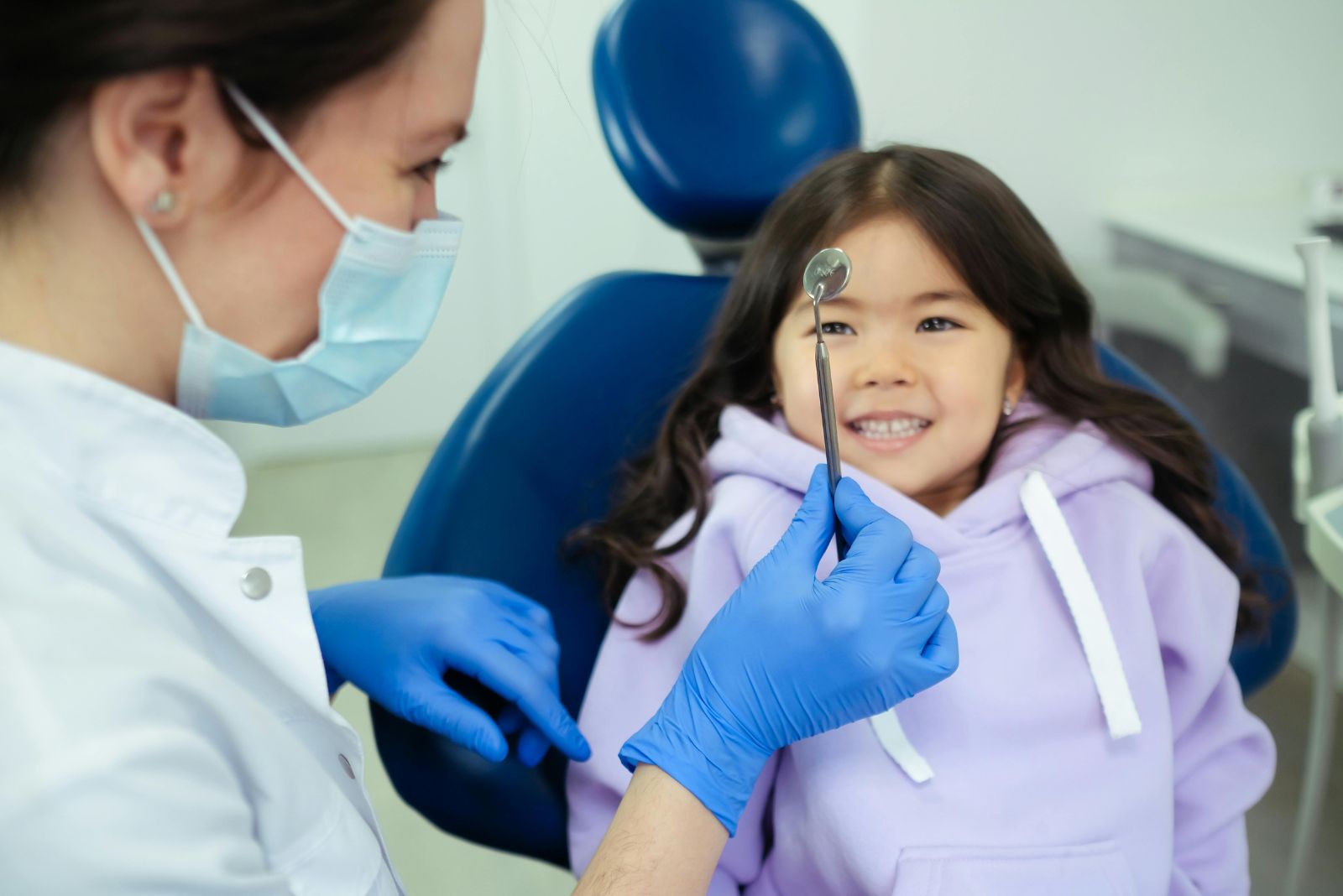
Many parents believe baby teeth are temporary and do not affect orthodontic care. While that sounds reasonable, baby teeth play a much bigger role than most people think. They help guide adult teeth into the correct position and support healthy jaw growth during childhood.
When baby teeth fall out too early or stay in place for too long, alignment problems can develop that may affect future treatment.
This topic is especially important for families in Methuen who want the best long-term results for their child’s smile. Understanding how baby teeth influence orthodontic timing can help parents make informed decisions early.
What Are Baby Teeth and Why Are They Important?
Baby teeth, also called primary teeth, usually begin appearing around six months of age. Most children have a full set by the time they turn three. These teeth help children chew food properly, pronounce words clearly, and feel confident when they smile.
When baby teeth are well cared for early on, they also support healthy jaw growth, which can later reduce the need for treatments like braces in Methuen as permanent teeth start to develop. Beyond daily function, baby teeth serve as guides for adult teeth.
Each baby tooth holds space in the jaw until the adult tooth underneath is ready to come in. When baby teeth remain healthy and fall out naturally, adult teeth usually erupt in the correct position.
This proper spacing can lower the risk of crowding or alignment issues, helping children transition smoothly into their adult smile with fewer dental concerns later on.
How Adult Teeth Follow Baby Teeth
Adult teeth develop directly below baby teeth. As the adult tooth grows, it slowly dissolves the root of the baby tooth, causing it to loosen and fall out. This natural process creates a smooth path for the adult tooth to move into place.
If a baby tooth is lost too early because of decay or injury, nearby teeth may shift into that empty space. When this happens, the adult tooth may not have enough room to erupt properly, leading to crowding or misalignment later.
When Baby Teeth Fall Out Too Early
Early loss of baby teeth is one of the most common dental concerns in children. Cavities, accidents, or infections can cause baby teeth to fall out years before they are meant to.
When this happens, surrounding teeth slowly drift toward the open space. Over time, this reduces the room available for adult teeth. Without proper guidance, adult teeth may come in crooked or overlap, making future orthodontic care more complicated.
When Baby Teeth Stay Too Long
Sometimes baby teeth remain in place longer than expected. This can occur when the adult tooth underneath is delayed or missing. When baby teeth do not fall out on time, adult teeth may erupt behind them, in front of them, or off to the side.
This situation can cause uneven spacing and alignment problems. In many cases, removing the baby tooth at the right time helps guide the adult tooth into a better position and prevents further complications.
Mixed Dentition: The Transition Stage
The mixed dentition stage occurs when children have both baby teeth and adult teeth at the same time. This usually happens between the ages of six and twelve. This stage is one of the most important periods for dental monitoring.
During mixed dentition, dentists closely observe how baby teeth are falling out and how adult teeth are coming in. Small adjustments during this phase can prevent larger alignment problems later and may shorten overall treatment time.
How Timing Affects Orthodontic Success
Timing plays a major role in orthodontic care. Starting treatment too early may not be effective, while starting too late can limit options. Baby teeth help dentists decide when the timing is right.
If baby teeth are close to falling out naturally, dentists may recommend waiting. If baby teeth are blocking adult teeth or causing crowding, early treatment may be helpful. The goal is always to work with natural growth patterns.
Early Orthodontic Evaluations Explained
Many dental professionals recommend an orthodontic evaluation around age seven. This does not mean treatment will begin right away. Instead, it gives the dentist a chance to closely watch how the teeth and jaws are developing as your child grows.
For families considering orthodontics in Methuen, this early visit helps create a clear plan and timeline, even if no treatment is needed yet.
Early evaluations also make it easier to spot concerns such as crowding, bite issues, or delayed tooth eruption. When these problems are identified early, the dentist can guide jaw growth and tooth alignment at the right time.
This often leads to simpler, more comfortable, and more predictable treatment in the future, giving your child the best chance for a healthy, confident smile.

Space Maintainers and Their Role
When baby teeth are lost too early, space maintainers may be used to hold the gap open. These small dental devices prevent nearby teeth from shifting into the empty space.
By preserving space, space maintainers help adult teeth erupt in the correct position. They play an important role in protecting future orthodontic outcomes and reducing unnecessary delays.
Crowding and Jaw Growth
Crowding occurs when there is not enough room in the jaw for all adult teeth. Baby teeth play a key role in guiding jaw development by supporting balanced chewing and proper spacing.
When baby teeth are missing or misaligned, jaw growth may be affected. This can lead to narrow arches or uneven bites that require additional correction later.
Bite Problems Linked to Baby Teeth
Baby teeth influence how the upper and lower teeth fit together. Bite problems such as overbites, underbites, and crossbites often begin during early childhood.
Habits like thumb sucking, prolonged pacifier use, or early tooth loss can change how baby teeth sit together. These changes can carry over into adult teeth if not addressed early.
How Baby Teeth Affect Treatment Length
When baby tooth issues are ignored, orthodontic treatment can take longer than expected. Extra steps may be needed to reopen space, guide delayed teeth, or correct bite problems.
Healthy baby teeth that fall out on schedule often lead to smoother treatment and more predictable timelines. Early monitoring helps reduce unnecessary complications.
The Role of X-Rays and Ongoing Monitoring
Dental X-rays allow dentists to see adult teeth developing beneath the gums. They help track tooth position, root changes, and eruption timing.
Regular monitoring allows dentists to respond early when something is not developing as expected. This reduces surprises and supports better long-term results.
Emotional and Confidence Factors for Children
Dental changes can feel stressful for children. Early tooth loss or teeth coming in crooked may affect confidence and self-esteem.
Clear explanations and gentle care help children feel more comfortable during dental visits. When kids understand what is happening, they are more likely to cooperate with treatment.
How Parents Can Support Healthy Tooth Development
Parents play an important role in protecting baby teeth. Daily brushing, regular dental visits, and early cavity treatment help baby teeth stay healthy until they fall out naturally.
Healthy baby teeth create a strong foundation for adult teeth and future orthodontic care. Consistent routines at home make a big difference.
Why Location and Local Care Matter
Consistent dental care allows dentists to track growth changes over time. Families in Methuen benefit from regular evaluations that help identify concerns early.
Strong communication between parents and dental teams helps ensure baby teeth are managed properly throughout childhood and adolescence.
Understanding When Braces Are Affected
Orthodontic treatment is closely linked to baby tooth health. When baby teeth cause crowding or block adult teeth, treatment plans may need adjustment.
The presence or absence of baby teeth can influence how orthodontic appliances are used and when treatment begins.
Planning Ahead for Braces Success
Successful orthodontic care often starts years before treatment begins. Monitoring baby teeth, guiding jaw growth, and preserving space all contribute to better outcomes.
At Happy Hoppers Pediatric Dentistry and Braces, early evaluations focus on helping children move through each stage of dental development with confidence and comfort.
Conclusion
Baby teeth may be temporary, but their impact lasts for years. They guide adult teeth, support jaw growth, and influence how smoothly orthodontic care progresses.
Paying attention to when baby teeth fall out and how they affect spacing can make a meaningful difference in results. With early evaluations, regular monitoring, and supportive care, families can help children build strong foundations for healthy smiles.
Clinics like Happy Hoppers Pediatric Dentistry and Braces are dedicated to guiding children from baby teeth to confident adult smiles with care and clarity.
Sources:
- https://pmc.ncbi.nlm.nih.gov/articles/PMC8786262/
- https://headstart.gov/publication/understanding-why-baby-teeth-are-important
- https://engage.ada.org/p/phys/why-baby-teeth-are-important-1790
- https://www.healthychildren.org/English/healthy-living/oral-health/Pages/Dental-Health-and-Orthodontic-Problems.aspx