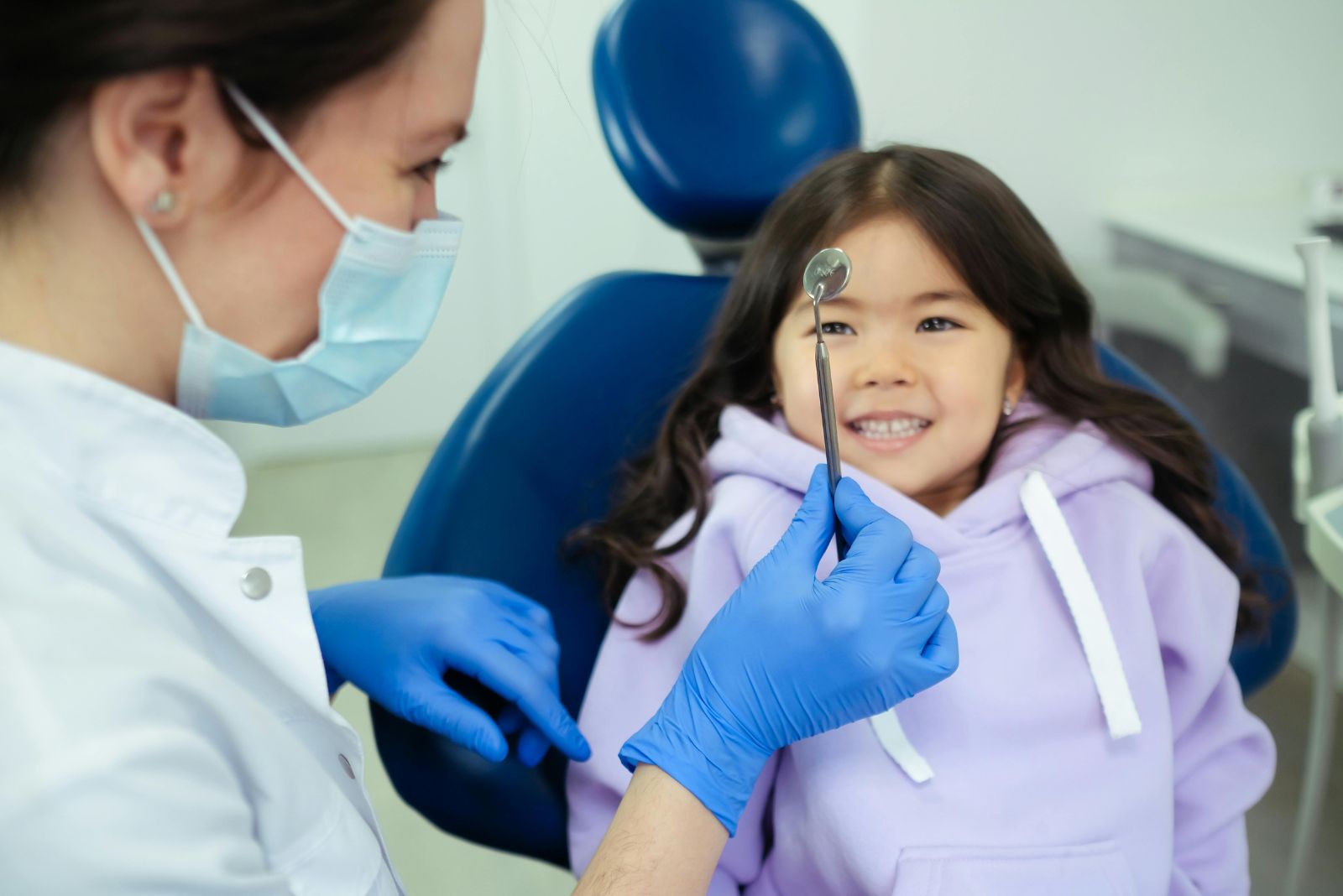
Many parents notice dental changes as their child’s adult teeth begin to appear. A once-straight smile may develop small gaps, mild crowding, or teeth that look twisted or pushed back.
These changes often lead parents to wonder whether the issue will correct itself or if early care is needed. At the same time, they want a solution that feels gentle and easy for their child.
Braces have helped children for many years and remain important, but they are not always the best choice. Some children benefit more from Invisalign due to growth patterns, activity levels, or comfort with visible dental appliances.
Understanding How Children’s Teeth Develop
Baby Teeth vs. Adult Teeth
A child’s mouth changes quickly during the early years. Baby teeth help guide adult teeth into their proper places, but this process does not always happen smoothly. Sometimes baby teeth fall out too early or stay in place for too long.
When this happens, adult teeth may come in at odd angles or in crowded positions, which can affect how the smile develops over time.
If adult teeth do not have enough space, alignment issues can start early. Some children may eventually need braces when all adult teeth are present, while others benefit from early guidance that helps prevent bigger problems later.
In these situations, Invisalign in Methuen, MA can be a gentle option, as clear aligners slowly guide teeth into better positions without placing too much pressure on a growing mouth.
Growth Plays a Big Role
Children’s jaws are still developing, which makes timing very important in orthodontic care. The jaw grows in stages, and teeth respond differently depending on when treatment begins. Small changes made at the right time can lead to better results and shorter treatment periods later on.
Aligners work well for some children because they apply light, steady pressure that matches natural growth. Instead of forcing teeth into place, aligners guide them slowly. This approach often feels more comfortable for kids whose mouths are still changing.
Why Braces Are Not Always the Best Choice for Kids
Discomfort and Sensitivity
Some children are sensitive to pressure in their mouth. Braces can rub against lips and cheeks, causing soreness and stress.
Clear aligners are smooth and fit closely to teeth, with no metal parts. This added comfort helps many children adjust to treatment more easily.
Difficulty With Cleaning
Braces can make cleaning teeth harder because food gets stuck around wires and brackets, increasing the risk of cavities and sore gums.
Aligners can be removed before brushing and flossing, allowing children to clean their teeth normally, which makes daily oral care easier for both kids and parents.
Lifestyle and Activity Concerns
Many kids are active in sports, music, or other hobbies. Braces can sometimes interfere with these activities.
Mouth injuries are more common with brackets during contact sports, and playing wind instruments can feel uncomfortable at first. Clear aligners fit better into an active lifestyle.
Kids can remove them for short periods during sports or performances if advised by their dentist. This flexibility often makes aligners a better fit for busy schedules.
When Clear Aligners Are a Better Option
Mild to Moderate Alignment Issues
Clear aligners are commonly used for mild to moderate alignment problems. These include small gaps, slight crowding, or teeth that lean forward or backward.
In many cases, a kids dentist Methuen MA may recommend aligners because these issues often do not need the strong force that traditional braces provide, especially when comfort is a priority for growing children.
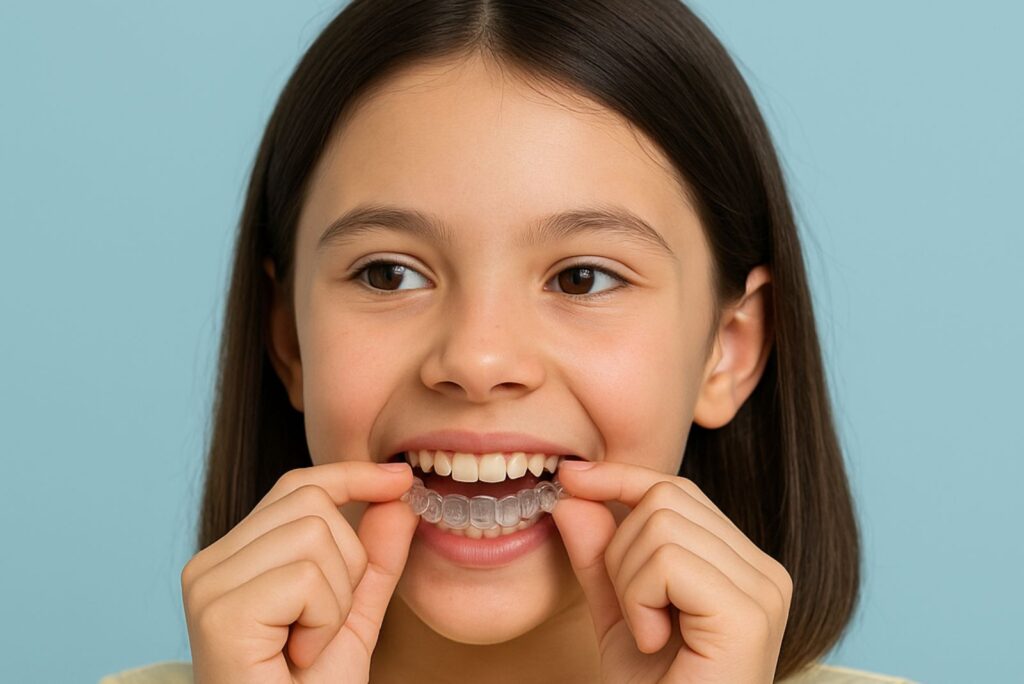
Aligners work through a series of trays that gently move teeth step by step. This slow and steady process is often enough to correct smaller concerns while keeping the child comfortable and relaxed.
Because the movement is gradual, children usually adjust well, making daily activities like eating, speaking, and brushing feel more natural during treatment.
Comfort and Flexibility
One reason many families prefer aligners is their flexibility. Kids can remove them while eating, brushing, or flossing. This makes daily routines feel more normal and less restrictive.
Because aligners are smooth, they reduce irritation inside the mouth. Children can focus on school and activities without constant reminders of their treatment.
Confidence at School and Social Events
School-age children can feel very aware of their appearance. Wearing braces may make some kids feel shy or worried about standing out. Clear trays are less noticeable, which can help children feel more confident when smiling, speaking, or taking photos.
This confidence can improve how children interact with friends and participate in class. Feeling comfortable with their smile supports emotional well-being during important growing years.
How Invisalign Works for Children
Gentle Pressure Over Time
This treatment uses a series of clear trays designed to fit a child’s teeth closely. Each tray is worn for a set period before moving on to the next one. With each new tray, teeth shift slightly into better positions.
The pressure used is light and steady. Many children describe it as a small feeling of tightness rather than pain. This gradual movement feels more natural for growing mouths.
Designed Around a Child’s Growth
Dentists plan treatment by looking at how a child’s teeth and jaw are expected to change. Digital scans help create trays that match these growth patterns. This planning helps guide teeth safely and comfortably.
By working with natural growth instead of against it, aligners support healthy development while improving alignment.
Fewer Emergency Visits
Braces can sometimes break or loosen, which may require unexpected dental visits. Aligners do not have wires or brackets, so these problems happen less often.
For families balancing school, work, and activities, fewer emergency appointments can make treatment feel easier to manage.
Responsibility Matters With Aligners
Wearing Time Is Important
Aligners need to be worn for most of the day to work properly. Children who can follow instructions and keep track of their trays often do very well with this option.
Parents usually help by setting routines and checking that trays are worn as recommended. This teamwork helps keep treatment moving forward.
Keeping Track of Trays
Each set of trays is used for a specific time before switching to the next one. Staying organized helps prevent delays. This responsibility can also teach children good habits, such as caring for their belongings and following daily routines.
Oral Hygiene Is Easier With Aligners
Brushing and Flossing Without Barriers
Since aligners are removable, children can brush and floss normally. This reduces plaque buildup and lowers the chance of cavities during treatment.
Parents often feel more relaxed knowing their child can keep their mouth clean without extra tools or complicated steps.
Healthy Habits Last Longer
Learning good oral care habits during orthodontic treatment can have long-term benefits. Clear aligners support these habits by keeping routines simple and familiar.
Social and Emotional Benefits for Kids
Less Attention on Treatment
Some children worry about being teased for wearing braces. Clear aligners are much less noticeable, which can help kids feel more relaxed in social settings. When treatment blends into daily life, children are less likely to feel different from their peers.
Encouraging Smiles
When kids feel comfortable with how they look, they smile more often and speak with confidence. This emotional comfort supports healthy social development and self-esteem.
Are Aligners Right for Every Child?
Cases That Still Need Braces
Not every orthodontic problem can be treated with aligners. Severe crowding, large bite issues, or jaw alignment problems often require braces.
These cases need stronger and more controlled movement. Dentists carefully evaluate each child to choose the safest and most effective option.
Individual Assessment Is Key
Every child’s mouth is different. Dentists look at age, tooth development, and daily habits before recommending clear aligners or braces. The goal is always steady progress that supports long-term oral health.
Local Access to Orthodontic Care
Families in Methuen often look for orthodontic options that fit their child’s lifestyle and comfort needs. Having access to modern treatments allows parents to choose an approach that feels right for their child while supporting healthy development.
Supporting Kids Through Treatment
Parental Involvement Makes a Difference
Parents play an important role in helping kids stay consistent with aligners. Gentle reminders, encouragement, and positive feedback can keep children motivated throughout treatment.
Regular Dental Checkups
Follow-up visits allow dentists to monitor progress and make small adjustments if needed. These checkups also help catch issues early, keeping treatment on track.
Why Invisalign Is Sometimes Preferred Over Braces
For the right child, clear aligners offer flexibility, comfort, and a gentle way to guide teeth into better positions. They fit well into daily routines and support both physical and emotional comfort during treatment.
Conclusion
Some children need a different orthodontic path because their teeth, habits, and comfort levels are not the same as others. Clear aligners can support healthy tooth movement while allowing kids to eat, clean, and smile with ease.
Families in Methuen often appreciate having choices that match their child’s personality and daily routine. A careful dental evaluation helps determine whether braces or aligners are the better option.
If you are considering orthodontic care for your child, Happy Hoppers Pediatric Dentistry and Braces offers clear guidance and a supportive approach to help families make confident decisions.
Source:
- https://bozicdds.com/what-is-best-for-kids-invisalign-vs-traditional-braces/
- https://www.sproutpediatricdentistry.com/blog/orthodontics/invisalign-vs-braces/
- https://denveryouthdentistry.com/invisalign-or-braces-for-kids-pros-and-cons/
- https://www.matthewsanddai.com/braces-vs-invisalign-kids-orthodontic-treatment-spring/