






Have you ever wondered what your Braces are made of? While they may look simple, these small orthodontic devices are crafted from an impressive combination of metals, ceramics, and plastics.
Each material plays a key role in helping teeth move safely and effectively into their proper positions. Over the years, dental technology has come a long way, making modern braces more comfortable, efficient, and aesthetically pleasing than ever before.
Across the country and right here in Methuen, orthodontists have adopted advanced materials that make treatment more precise and patient-friendly.
Whether you’re looking for strength, comfort, or a natural look, understanding what goes into your braces can help you appreciate the science behind your new smile.
The Evolution of Braces Materials
From Metal to Modern Options
Braces have been around for centuries, but the materials used in them have changed dramatically. Early braces were bulky and made entirely from heavy metals.
They worked, but they were far from comfortable or subtle. Thankfully, as dental science advanced, orthodontists began experimenting with new materials that were stronger, lighter, and less noticeable.
Today, patients in Methuen and beyond can choose from a wide range of materials including stainless steel, ceramic, titanium, and even gold.
This variety allows orthodontists to match the right type of braces to each patient’s unique dental needs and personal preferences.
Modern braces not only align teeth effectively but also prioritize comfort and appearance , something every kid’s dentist in Methuen now considers essential when recommending orthodontic treatment for young patients.
Stainless Steel – The Classic Foundation
Why Stainless Steel Remains Popular
Stainless steel remains one of the most trusted and widely used materials in orthodontics. Known for its strength and durability, stainless steel allows for precise adjustments throughout treatment.
The metal can handle the steady pressure required to move teeth without losing its shape or effectiveness.This material is also resistant to corrosion, which means it won’t rust or weaken even after months of exposure to saliva.
Stainless steel braces are generally more affordable than other types, making them an excellent option for families seeking reliable treatment without extra cost.
Despite the introduction of newer materials, stainless steel continues to be a favorite among orthodontists because of its proven track record and consistent results.
It’s strong, dependable, and provides excellent tooth movement control , a true classic in orthodontic care.
Ceramic Braces – The Aesthetic Alternative
Benefits and Considerations
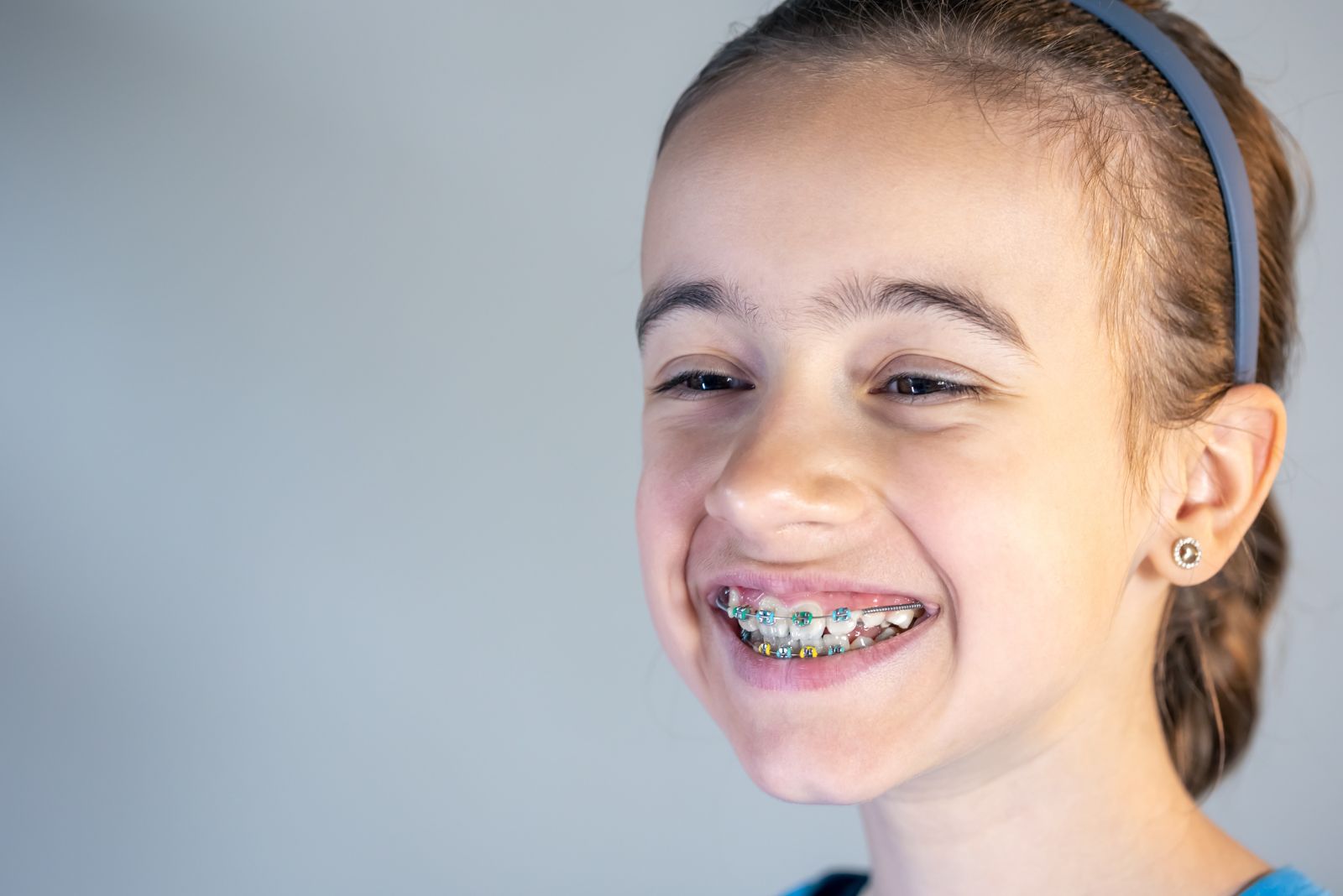
Ceramic braces are perfect for those who want a more subtle approach to orthodontic treatment. Made from clear or tooth-colored materials, they blend in with the natural shade of your teeth, making them less noticeable.
These braces have become particularly popular among adults and older teens who want to straighten their teeth without the bold appearance of metal brackets.
The smooth surface of ceramic brackets also provides additional comfort. However, they do require more gentle care since the material can be more fragile than steel.
Hard or sticky foods should be avoided to prevent breakage. Additionally, ceramic braces may stain if exposed to dark-colored foods and beverages like coffee or tomato sauce.
Still, many patients in Methuen choose ceramic braces for their balance of beauty and effectiveness. They offer the same alignment power as traditional metal braces but with a cleaner, more natural look.
Titanium Braces – Lightweight and Durable
Best for Sensitive Patients
Titanium braces have become increasingly popular among patients who need something strong yet lightweight. Titanium is similar to stainless steel in strength but much lighter, which makes it more comfortable to wear for extended periods.
It’s also hypoallergenic, making it a great choice for patients who have sensitivities or allergies to nickel, a metal often found in stainless steel.
For those exploring braces in Methuen, titanium’s flexibility allows orthodontists to fine-tune adjustments with precision while maintaining patient comfort.
It’s also highly resistant to corrosion, meaning it holds up well in the moist environment of the mouth. Though titanium braces can be more expensive, their long-lasting durability and comfort make them worth the investment.
Titanium’s smooth and light design provides a more pleasant orthodontic experience for many patients, making it a growing favorite in advanced dental practices.

Plastic and Polymer Materials – Clear Options
Used in Aligners and Hybrid Systems
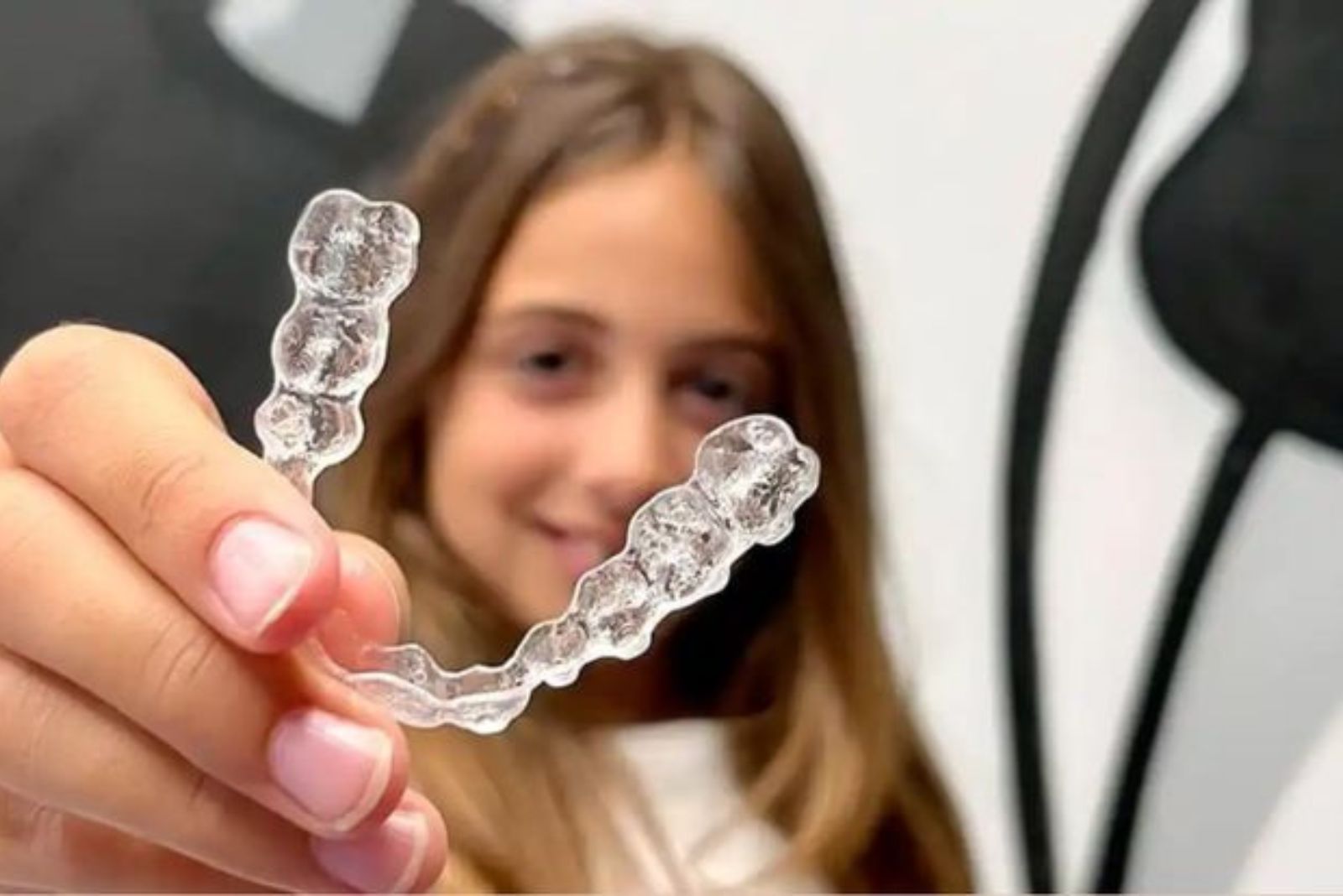
Clear plastic and polymer materials have completely changed the way many people view orthodontic treatment. These materials are mainly used in clear aligners and hybrid braces systems.
They’re transparent, smooth, and custom-made to fit snugly over your teeth.For patients who prefer a nearly invisible treatment option, plastic aligners are an excellent choice.
Even within braces, plastic and polymer components are sometimes used in elastic ties or special clips that hold wires in place.
These materials offer flexibility, comfort, and a modern look that appeals to patients who want their treatment to be as discreet as possible.However, plastic materials need proper care to maintain their appearance.
They can stain if exposed to colored foods or beverages and may lose their clarity without regular cleaning. With simple maintenance, though, they can keep your smile clear and confidence high throughout your treatment.
Gold-Plated Braces – A Stylish Choice
When Appearance Meets Function
Gold-plated braces bring both beauty and function together. These braces are made from stainless steel coated with a thin layer of gold, giving them a shiny, stylish look.
Some people choose them for cosmetic reasons, while others prefer them due to mild sensitivities to nickel.The gold layer adds an extra barrier of protection, making the brackets less likely to corrode or irritate the gums.
Although gold braces are less common, they’re perfect for those who want to make a statement while maintaining strong orthodontic performance.
They work just as effectively as traditional metal braces, offering patients a chance to express their personal style during treatment.
Wires, Bands, and Elastics – The Supporting Parts
Understanding Each Component’s Role
When we think of braces, we often picture the brackets alone, but there’s much more going on. The archwire is one of the most important components,it’s the thin wire that connects all the brackets and applies gentle pressure to move the teeth.
These wires are usually made of stainless steel, titanium, or nickel-titanium alloys.Elastics, or rubber bands, play another vital role. They help control how the teeth shift and how the bite aligns.
These bands can come in different colors, allowing younger patients to have a bit of fun choosing their favorite shades. Some patients, however, prefer clear elastics for a more subtle appearance.
Ligatures,small rubber ties that hold the wire onto each bracket,are also essential. In newer braces systems, self-ligating brackets replace the need for these ties with built-in clips made from metal or ceramic.
Each of these components works together to create controlled, gentle movements that reshape your smile over time.
Choosing the Right Braces Material
Dentist Guidance and Personalized Factors
The right braces material for you depends on several factors, including your age, dental health, aesthetic goals, and lifestyle. An orthodontist will evaluate your teeth and recommend the material that best suits your case.
Stainless steel is typically chosen for more complex dental movements, while ceramic or clear options are ideal for those who prioritize appearance.
If you’re an athlete, your dentist might recommend a more durable option, such as stainless steel, to handle impact better.
On the other hand, if you have a metal allergy, titanium or plastic options would be safer and more comfortable. Your dentist will also consider your budget and treatment timeline before making a final recommendation.
The best part is that no matter what material you choose, modern braces are all designed with precision and comfort in mind. You’ll be able to enjoy a smoother treatment experience and results that last a lifetime.
Supporting Modern Dental Advancements
Today’s orthodontic materials are the result of years of research, testing, and improvement. Scientists and engineers have worked to make braces more effective while minimizing discomfort.
Some modern braces even use a mix of materials, like metal on the inner side and ceramic on the outer side, giving patients the best balance of strength and subtlety.
The shape and coating of the brackets have also improved over time. This means fewer adjustments, smoother wire movement, and less irritation to the mouth.
With modern advancements, orthodontic care has become more precise, allowing for shorter treatment times and more satisfying results.
Caring for Different Braces Materials
Taking care of braces made from various materials requires patience and consistency. Brushing and flossing after every meal helps keep food particles from getting trapped around the brackets and wires.
Stainless steel braces can handle more pressure, but patients with ceramic braces should brush more gently to avoid cracking the brackets.
For those with plastic or ceramic materials, it’s also best to avoid staining foods like coffee, berries, or soda. Using a water flosser can help clean between the brackets and wires without much effort.
Regular visits to your orthodontist are essential,they allow your dentist to monitor your progress and make adjustments as needed.Proper care ensures that your braces stay strong, clean, and effective throughout your orthodontic journey.
Comfort and Aesthetics in Modern Orthodontics
Modern orthodontics focuses not only on straightening teeth but also on comfort and confidence. The materials used today make braces smaller, smoother, and easier to wear.
The days of large, uncomfortable metal brackets are long gone. Now, braces can be customized to suit each patient’s needs,whether that means lightweight titanium, nearly invisible ceramics, or clear plastic options.
Patients can now enjoy a treatment experience that feels more natural and looks great too.
Whether you’re a student or a working professional in Methuen, these modern materials help you maintain a confident smile throughout your treatment.
Environmental and Safety Considerations
The materials used in orthodontics today are all tested for safety and biocompatibility. This means they’re safe for your body and won’t cause allergic or toxic reactions.
Stainless steel and titanium are non-reactive metals, and ceramics are fully inert, meaning they don’t interact with food, saliva, or other elements in your mouth.
Many dental manufacturers are also working on eco-friendly production methods. Some are developing recyclable materials and reducing waste in manufacturing to make dental care more sustainable.
These advances reflect how modern dentistry continues to move toward both health and environmental responsibility.
Conclusion
Modern orthodontic materials have completely changed how patients experience treatment. From durable stainless steel to elegant ceramic and lightweight titanium, each type offers its own benefits in terms of comfort, durability, and appearance. The result is a more pleasant and effective path to a straighter smile.
For expert orthodontic care using the latest materials and techniques, visit Happy Hoppers Pediatric Dentistry and Braces, where compassionate professionals and advanced technology come together to help you achieve a healthy, confident smile that lasts for years to come.
Source: