After years of appointments, adjustments, and careful cleaning, the day you’ve been waiting for finally arrives, the day your braces come off. It’s a moment filled with excitement and relief. You’ve worked hard for this smile, and now it’s time to see the results.
But here’s something many patients don’t realize: your orthodontic journey doesn’t end the moment your braces are removed. What happens next is just as important for keeping your teeth straight and healthy.
Once the brackets and wires are gone, your teeth, gums, and even your bite will need some time to adjust. Post-braces care helps maintain that beautiful alignment you’ve achieved through years of treatment.
Understanding what happens after Metal Braces are removed will help you care for your new smile the right way and make sure your results last for years to come.
The Exciting Day: Getting Your Braces Removed
Getting your braces off is usually a quick and simple process that takes less than an hour. Your orthodontist uses special tools to gently remove each bracket and scrape off any remaining adhesive from your teeth.
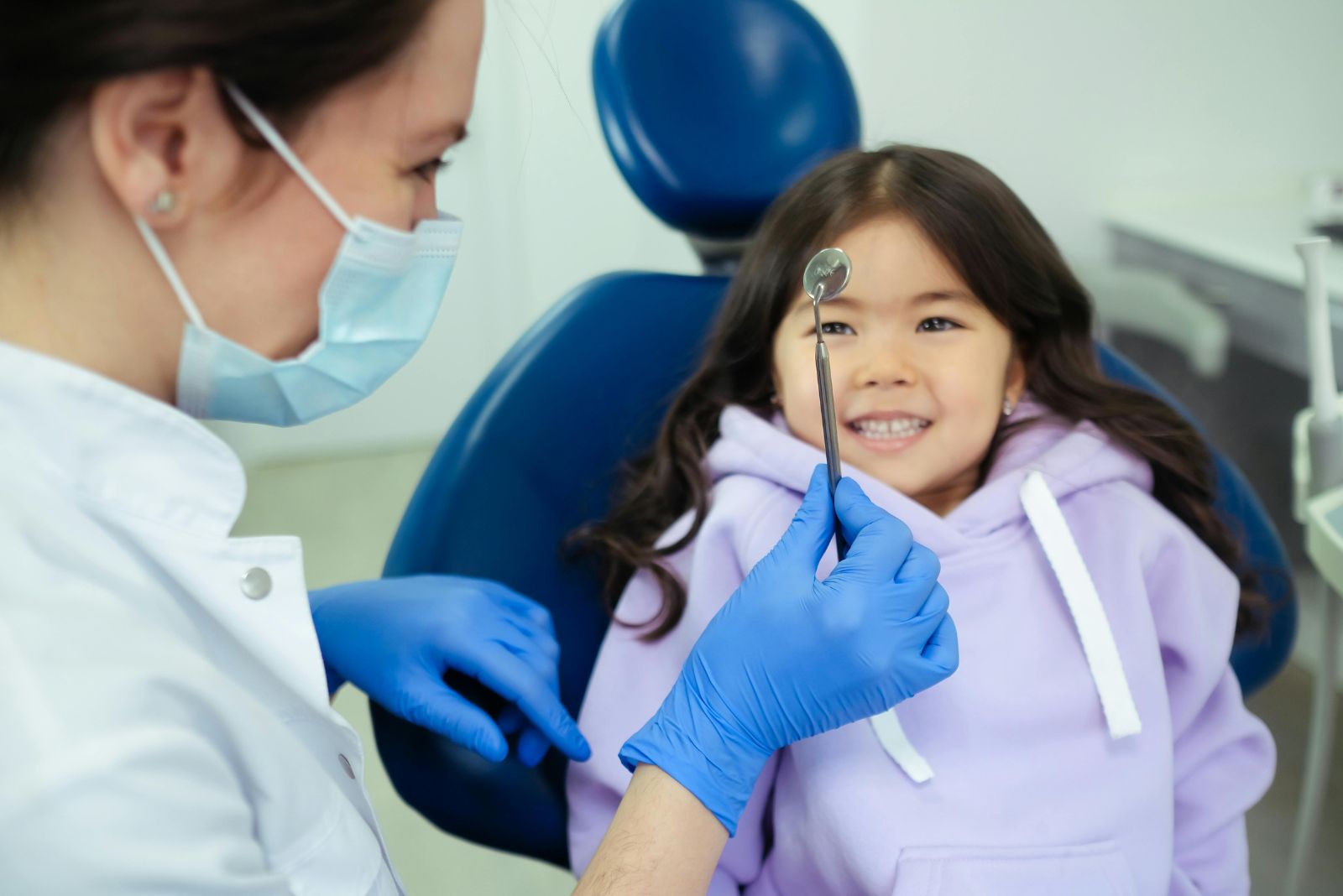
You might hear some popping sounds or feel slight pressure, but there’s no pain involved. Afterward, your kids dentist in Methuen will polish your teeth to remove any leftover glue and reveal your brand-new smile. Visiting a kids dental specialist ensures that your child’s teeth are cleaned gently and professionally after braces removal.
It’s a moment of pure joy—many patients can’t stop smiling at their reflection. Your teeth may look and feel different than you expected, and for the first time in months or years, you’ll be able to feel the smooth surface of your teeth without wires or brackets in the way.
If you’ve had metal braces for a long time, your teeth might even appear slightly bigger since the brackets are no longer covering them. It’s a refreshing and rewarding experience that makes all the effort worth it.
What to Expect Right After Braces Are Taken Off
Once the excitement settles, you might notice that your teeth and gums feel different. This is normal.
The areas that were covered by brackets are now exposed, and your gums need a short adjustment period.
Some patients in Methuen notice mild tooth or gum sensitivity, especially when eating or drinking hot or cold foods.
These sensations usually go away within a week. During this short adjustment phase, it’s best to eat soft foods and take extra care when brushing and flossing.
Adjusting to the New Feel
Your teeth may feel unusually smooth and your bite might seem slightly off at first. This is because your mouth has grown used to having brackets and wires in place.
Eating might feel awkward, especially if you’ve avoided crunchy or sticky foods during treatment. Start with softer foods such as soups, pasta, eggs, or yogurt before moving back to your regular diet.
When brushing your teeth for the first time, use a soft-bristled toothbrush and gentle strokes. Your gums may feel a little swollen or tender, but with good oral hygiene, that will quickly improve.
Flossing might also feel different since you no longer have wires blocking your access to your teeth,enjoy that fresh, clean feeling.
Dealing with Minor Discomfort
Some mild tenderness is common after braces removal. Your gums might be slightly puffy, and your teeth may react more to temperature changes.
This happens because your enamel is adjusting to being fully exposed again. You can use a fluoride mouthwash or toothpaste for sensitivity to help ease the discomfort.
Within a few days, your mouth should feel normal again. If you notice persistent soreness or irritation, your orthodontist can examine your teeth to make sure everything is healing properly.
Most people in Methuen find that any mild discomfort quickly fades once they adjust to their new smile.
Why Retainers Are So Important
Once your braces are off, your teeth are not fully stable yet. They naturally want to shift back toward their original positions.
This is where retainers come in. Retainers keep your teeth in their new alignment while your jawbone and surrounding tissues adapt.If you skip wearing your retainer, your teeth could start to move within a matter of days.
Wearing it consistently ensures your smile stays straight and beautiful. Orthodontists often say, “Your braces straighten your teeth, but your retainer keeps them that way.”
There are two main types of retainers: removable and fixed. Removable retainers are clear or wire-based appliances that you can take out during meals or brushing.
Fixed retainers, on the other hand, are small wires attached behind your front teeth. Your orthodontist will recommend the best type based on your case and lifestyle.
How Long Do You Need to Wear a Retainer?
During the first few months after braces removal, you’ll likely wear your retainer full-time, except while eating or brushing.
This period is crucial because your teeth are still settling into their new positions. Over time, your orthodontist may allow you to wear your retainer only at night.
Some patients eventually only wear it a few nights a week, but lifelong use,even if occasional,is often recommended.
Think of your retainer as long-term protection for your investment in orthodontic treatment. Wearing it regularly ensures that your beautiful, straight smile lasts a lifetime.
Taking Care of Your Retainer
Keeping your retainer clean is just as important as wearing it. Always rinse it with cool water before and after use. Brush it gently with a toothbrush and mild soap to remove bacteria and plaque.
Avoid hot water, as it can damage or warp the material.When you’re not using it, store your retainer in its case. Never wrap it in tissue or napkins, as it can easily be thrown away by mistake.
Retainers can also wear out or lose their shape over time, so if it starts to feel loose or cracked, contact your orthodontist for a replacement.
Caring for Your Teeth After Braces Removal
After your braces are removed, your teeth may look amazing, but they’ll need special care to stay that way. Months or years of orthodontic treatment can sometimes leave small areas of plaque buildup, and your enamel may need extra strengthening.
If you’ve had metal braces in Methuen, it’s important to brush your teeth at least twice a day using fluoride toothpaste and floss daily to remove trapped food particles between teeth.
Using an alcohol-free mouthwash can also help kill bacteria and protect against cavities. Regular dental cleanings are especially important during the first year after braces removal to keep your smile healthy and bright.

Whitening After Braces
It’s common to notice slight color differences on your teeth after braces come off. The areas under the brackets didn’t get as much exposure to foods or drinks that cause staining, so they may appear a bit lighter.
While you may be eager to whiten your teeth immediately, it’s better to wait a few weeks. Your enamel may still be sensitive, and whitening too soon can cause discomfort.
Once your teeth adjust, you can discuss safe whitening options with your dentist, including professional treatments or at-home whitening kits.
Either way, your goal should be to achieve an even, healthy brightness without harming your enamel.
Monitoring for Shifting Teeth
Even after braces removal, minor tooth movement can still happen. This is completely normal, especially during the first few months. Wearing your retainer as directed helps prevent unwanted shifting.
Keep an eye out for changes in your bite or small gaps forming between your teeth. If you notice any movement, schedule a visit with your orthodontist.
Most of the time, small adjustments to your retainer are enough to correct it. Staying proactive with retainer use will help preserve your smile for years to come.
Common Post-Braces Issues and Solutions
After braces are removed, some patients experience small issues that are easy to manage. You might notice slight stains where the brackets were attached or uneven coloration across your teeth.
Regular brushing, cleanings, and whitening treatments can even out your enamel tone.Some people also experience gum tenderness or mild inflammation from plaque buildup during treatment.
Flossing daily and using an antiseptic mouthwash can quickly improve gum health. If you develop dry mouth or irritation from your retainer, drinking more water and maintaining good oral hygiene can help.
Occasionally, slight alignment changes occur as your teeth settle. These are normal and can usually be corrected with retainer adjustments.
Your orthodontist will monitor these shifts during your follow-up appointments to make sure your teeth stay where they should be.
When to Visit Your Orthodontist Again
Your orthodontist will likely schedule a follow-up appointment a few weeks after your braces are removed. During this visit, they’ll check your retainer fit and make sure your teeth are stable.
After the first follow-up, you might only need to visit every few months. These regular checkups are essential to monitor tooth position, gum health, and retainer condition.
If your retainer ever feels loose, cracked, or uncomfortable, don’t wait for your next appointment,schedule a quick visit to get it adjusted.Regular care from your orthodontist keeps your results lasting and your smile strong.
Long-Term Smile Maintenance
Now that your braces are off, long-term maintenance becomes your daily responsibility. Continue brushing twice a day, flossing carefully, and visiting your dentist for professional cleanings every six months.
Avoid biting hard foods like ice or candy, as these can chip your teeth or weaken enamel. For many patients in Methuen, the removal of braces marks a fresh start.
You’ll notice that smiling feels easier and more natural, and you may find yourself doing it more often. That confidence boost is one of the best rewards of orthodontic treatment.
To keep that confidence alive, stick to your oral hygiene routine and wear your retainer as instructed. A straight smile is something to celebrate,and with proper care, it will stay beautiful for a lifetime.
Conclusion
Getting your braces removed is a huge milestone that reveals the results of years of patience and effort. Your new smile represents dedication, discipline, and care.
But keeping it that way requires ongoing effort, wearing your retainer, brushing and flossing daily, and seeing your dentist regularly all help protect your results.
If you want to maintain your bright, healthy smile after braces removal, you can rely on the caring professionals at Happy Hoppers Pediatric Dentistry and Braces.
Their expertise and guidance will help you protect your new smile and enjoy the confidence it brings every single day.
Source:
- https://aaoinfo.org/treatments/braces/
- https://www.who.int/news-room/fact-sheets/detail/oral-health
- https://pmc.ncbi.nlm.nih.gov/articles/PMC8780662/
- https://pmc.ncbi.nlm.nih.gov/articles/PMC4211420/