Parents often worry about how orthodontic treatment might affect their child’s speech and language development. If your child is considering braces, you may have asked yourself: “Will braces change the way my child talks?”
The short answer is that while braces may temporarily influence speech during the adjustment period, they don’t permanently impact how your child communicates.
Understanding how braces influence speech development in kids can help ease your concerns and prepare your family for the treatment journey ahead.
This article explores the connection between orthodontic treatment and speech, common challenges kids might face, and what to expect during the adjustment period.
Do Braces Actually Affect Speech?
Yes, braces can temporarily influence how children speak during the first few weeks of treatment. When metal brackets and wires are first placed in the mouth, they take up space and slightly change the shape of the oral cavity.
This is especially common for children getting braces in Methuen, where orthodontic adjustments can briefly affect how sound travels while speaking. Most children experience slight lisp or minor speech changes that last anywhere from a few days to a couple of weeks.
These temporary changes are completely normal and are not permanent speech problems. As kids adjust to their new orthodontic appliances, their tongue naturally learns to work around the brackets, and speech typically returns to normal.
How the Mouth’s Structure Affects Sound Production
Your child’s mouth is an important tool for making different speech sounds. The tongue, lips, and teeth work together to create the sounds that form words. When braces are added, they change the physical layout of the mouth, which can affect certain sounds temporarily.
Sounds that involve tongue-to-tooth contact, like “s,” “z,” “sh,” and “ch” are most likely to be affected initially. Your child might notice a slight lisp or unclear pronunciation of these sounds for the first week or two. This happens because the tongue needs time to figure out where the new brackets are and how to move around them efficiently.
The good news is that the tongue is incredibly adaptable. Children are especially quick at learning to adjust their tongue position and speech patterns. Most kids naturally correct their speech without any special intervention within the first few weeks of wearing braces.
The Adjustment Period: What to Expect
Timeline for Speech Adjustment
The adjustment period typically follows a predictable pattern. During the first 24–48 hours after braces are placed, your child might notice the most dramatic changes in their speech. This is when the novelty and discomfort are at their peak.
By the end of the first week, most children experience significant improvement. By two to three weeks, the majority of kids report that their speech feels completely normal again. Every child is different, so some may adjust faster while others might need a bit more time but one to two months is the outside window for full adjustment.
Tips to Support Speech During Adjustment
Encourage your child to practice speaking clearly and slowly during the first few weeks. Reading aloud, reciting tongue twisters, or having conversation practice sessions can actually help speed up the adjustment process. This isn’t because the child needs speech therapy, it’s simply practice that helps the tongue retrain itself.
Keep the adjustment in perspective. Remind your child that this is temporary and a normal part of getting braces. Positive reinforcement and patience go a long way in helping kids feel confident during this transition.
Common Speech Changes with Braces
Lisping
A common temporary effect is developing a mild lisp, where “s” sounds come out more like “th.” This is one of the most noticeable changes parents and kids observe, but it’s also one that resolves quickly as the tongue adjusts.
Slight Slurring
Some children notice their speech becomes slightly slurred or mumbled during the first week. This is because the mouth feels crowded and the tongue isn’t yet sure where to position itself. This typically clears up within the first two weeks.
Difficulty with Certain Consonants
Consonants that require precise tongue-to-tooth positioning particularly “t,” “d,” “l,” and “n” might sound slightly off initially. Again, this is temporary and improves rapidly as the adjustment period passes.
Speech Development Concerns: What’s Actually Important
Will Braces Impact Language Learning?
The temporary speech adjustments from braces don’t affect your child’s overall language development or ability to learn. Language development depends on exposure, practice, and cognitive growth not the physical shape of the mouth.
With guidance from experts in orthodontics in Methuen, parents can feel reassured that braces are carefully designed to support oral function without interfering with communication skills. Braces won’t slow down your child’s language skills or learning capacity.
Should I Be Worried About Permanent Speech Changes?
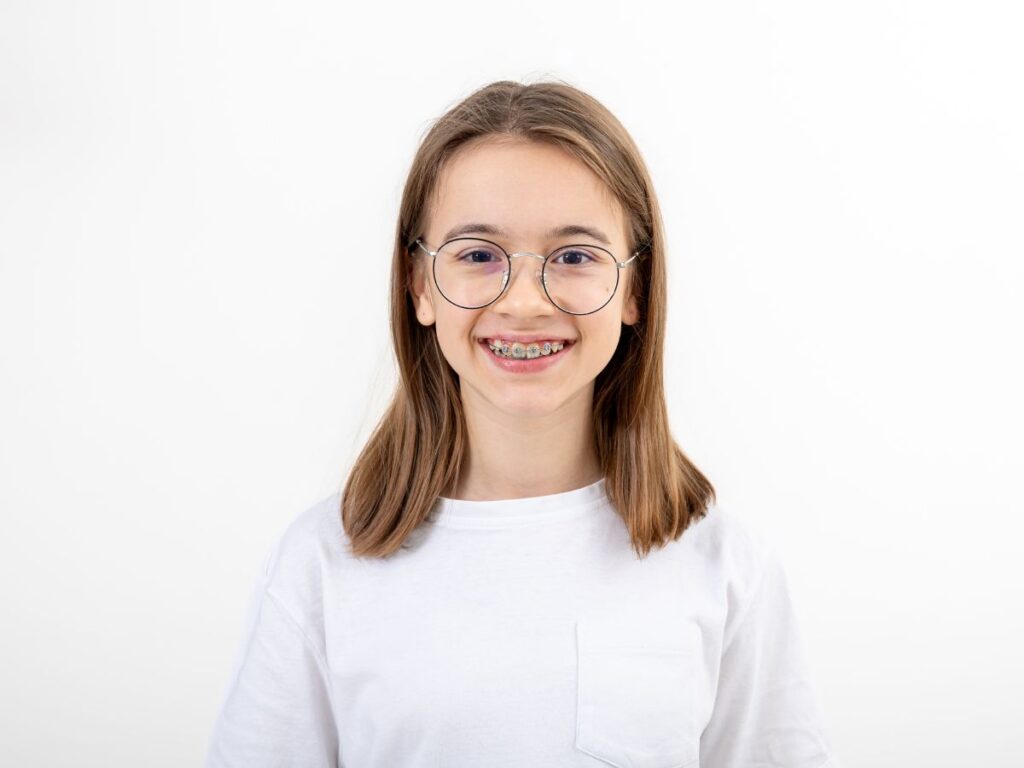
No. Braces are designed to be temporary. Once they’re removed after treatment is complete, your child’s mouth returns to its original shape, and any temporary speech effects completely resolve. There are no permanent speech changes from wearing braces.
What If My Child Has Existing Speech Issues?
If your child already works with a speech-language pathologist for conditions like apraxia or articulation disorder, discuss orthodontic treatment timing with both your orthodontist and speech therapist. They can coordinate care to ensure braces don’t complicate existing therapy. However, braces themselves won’t cause new speech problems.
FAQ: Parents’ Top Questions About Braces and Speech
How long until my child’s speech goes back to normal after getting braces?
Most children experience noticeable improvement within one to two weeks and complete adjustment within three to four weeks. Every child is different, but the temporary nature of these changes means your child will sound like themselves again very soon.
Can braces cause a permanent lisp?
No. Any speech changes from braces are temporary and resolve as the mouth adjusts. Once braces are removed, there are no lasting effects on speech.
Should my child do speech therapy while wearing braces?
In most cases, no. Children’s speech naturally adapts without intervention. Speech therapy is only recommended if your child has a pre-existing speech disorder, and in that case, coordination between your orthodontist and speech therapist is important.
Will my child be embarrassed by temporary speech changes at school?
Some children notice changes for a day or two, but the effects are usually very mild and hardly noticeable to others. Most kids adjust quickly, and many of their peers won’t even notice. Focus on building confidence and keeping the adjustment in perspective.
Supporting Your Child Through Orthodontic Treatment
Build Confidence
Let your child know that temporary speech changes are completely normal and a sign that their new braces are working. Normalize the adjustment period so they don’t feel self-conscious about any minor changes.
Stay Positive
Your attitude sets the tone. If you approach braces as a positive step toward better oral health and a beautiful smile, your child will feel confident too.
Maintain Regular Orthodontist Visits
Keep all scheduled appointments. Your orthodontist monitors progress and can make adjustments that keep your child comfortable. Regular check-ins also provide an opportunity to ask questions about adjustment concerns.
Practice Patience
Remember that braces are temporary, and any temporary inconveniences are far outweighed by the long-term benefits of proper dental alignment.
Conclusion
Braces may temporarily influence how your child speaks during the first few weeks of treatment, but these changes are completely normal and resolve quickly as the mouth adjusts. Understanding what to expect can help you support your child with confidence and perspective.
If you have concerns about how braces might affect your child’s speech or development, the team at Happy Hoppers Pediatric Dentistry and Braces is here to answer your questions and provide personalized guidance. Schedule a consultation today to learn how orthodontic treatment can support your child’s oral health and confidence for years to come.
Source Urls: