Many parents feel confused when they hear that their child may need something stronger than a simple filling.
Since baby teeth eventually fall out, it can seem surprising that a dentist would recommend a full covering for a small tooth. Parents often ask, “Why fix it in such a big way if it’s only temporary?”
The answer is simple. Baby teeth may not last forever, but they play a major role in a child’s health and development. When decay becomes too large or a tooth becomes weak, extra protection is sometimes needed.
Understanding how pediatric crowns are different from adult ones can help families feel more comfortable about treatment decisions and confident in caring for their child’s smile.
What Makes Pediatric Dental Crowns Different?
Pediatric dental crowns are specially made for children’s smaller teeth and growing mouths. They are not simply smaller copies of adult crowns. They are created with children’s needs in mind, including strength, comfort, and long-term development.
When a child has a deep cavity, a simple filling may not be enough to hold the tooth together. In these cases, a dental crown in Methuen covers the entire tooth like a protective cap. It restores the tooth’s shape and function while protecting it from further damage. This type of treatment is often recommended when the tooth structure is too weak to support a filling alone.
Children’s crowns are chosen carefully based on the child’s age, tooth position, and level of decay. Pediatric dentists focus on protecting the tooth while allowing it to fall out naturally at the right time. The goal is to keep the smile healthy without interfering with normal growth.
Why Baby Teeth Need Special Protection
Some people think baby teeth are not very important because they eventually fall out. However, baby teeth have several important jobs. They help children chew food properly, which supports good nutrition and digestion. They also help children speak clearly by guiding tongue placement when forming words.
Baby teeth act as space holders for adult teeth. If a primary tooth is lost too early, nearby teeth can drift into the empty space. This may cause crowding or alignment problems later. Protecting these teeth helps guide permanent teeth into the right position.
Tooth decay is very common in children. According to national dental health reports, cavities remain one of the most common chronic conditions among children in the United States. When decay spreads quickly in baby teeth, it can reach the inner part of the tooth faster than in adult teeth because the enamel is thinner. This is one reason stronger protection is sometimes necessary.
In communities like Methuen, many families are learning that early dental care can prevent larger problems. Taking care of baby teeth supports a child’s comfort, confidence, and overall well-being.
Materials Used for Children’s Crowns
Pediatric crowns are made from materials that are safe, strong, and appropriate for children. One of the most common materials used for back baby teeth is stainless steel. These silver-colored crowns are durable and can handle the strong biting forces from chewing.
Stainless steel crowns have been used for many decades. They are often placed in one visit, which is helpful for younger children who may have difficulty sitting through longer procedures. They are reliable and long-lasting until the tooth naturally falls out.
For front teeth, many parents prefer tooth-colored options. Zirconia crowns are white and blend in with natural teeth. They are smooth, strong, and resistant to staining. These crowns are often chosen when appearance is important, especially for visible teeth.
The dentist chooses the material based on the location of the tooth and the amount of damage. The focus is always on protecting the tooth while keeping the child comfortable.
How Size and Shape Are Different
Children’s teeth are smaller than adult teeth, and their shape is different as well. The enamel is thinner, and the inner pulp area is larger compared to the overall size of the tooth. This means decay can spread more quickly and reach sensitive areas faster.
Pediatric crowns are pre-sized to match baby teeth. They are shaped to fit snugly without pushing on nearby teeth. Because children’s jaws are still growing, dentists must think carefully about how treatment will affect future development.
The crown must protect the tooth without blocking normal growth or delaying the natural process of losing baby teeth. A properly placed crown allows the tooth to function normally and still fall out at the appropriate time when the adult tooth is ready to come in.
The Treatment Process for Kids
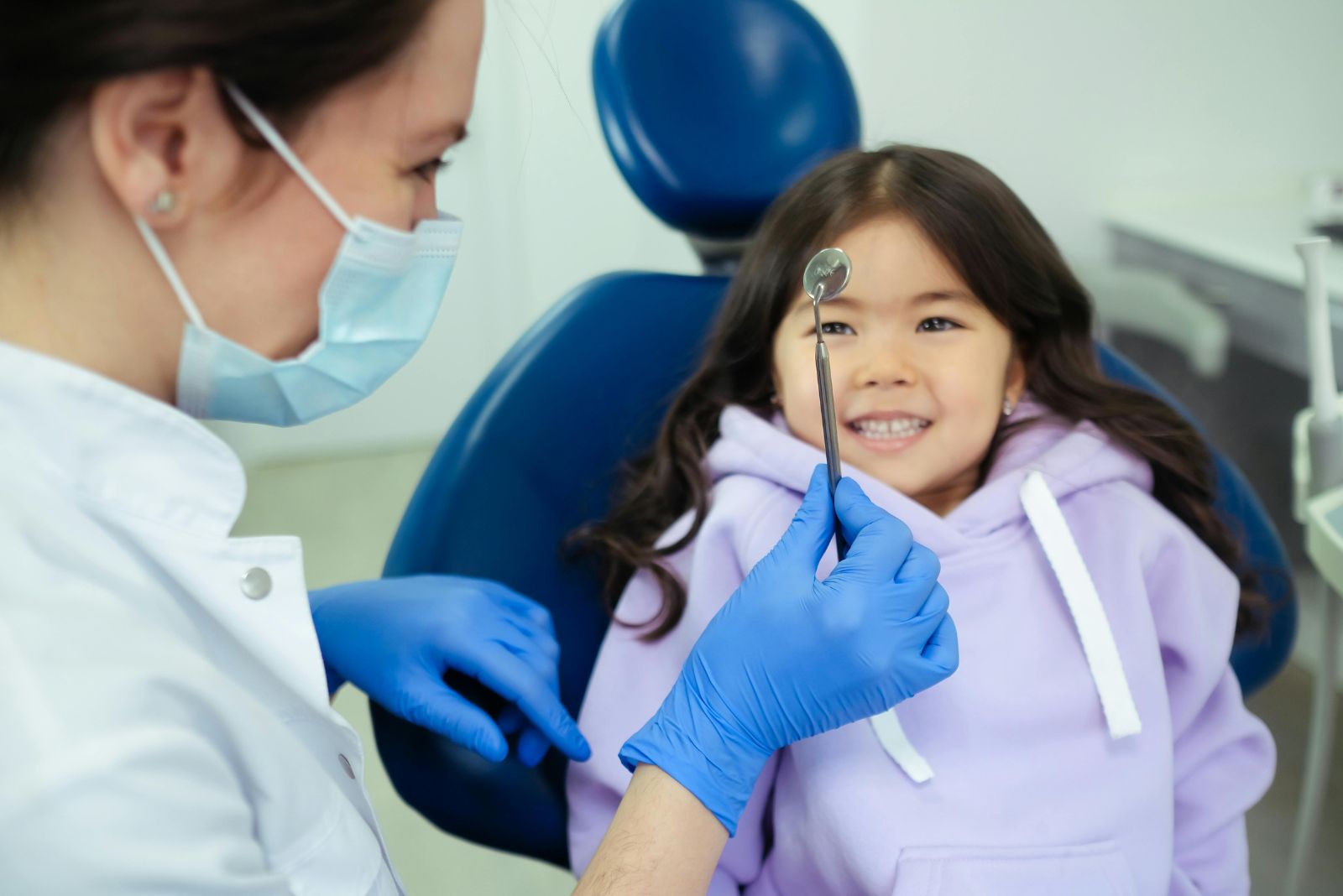
The process of placing a crown for a child is planned to be simple and comfortable. Pediatric dentists use child-friendly language to explain what will happen. This helps reduce fear and builds trust.
First, the dentist gently removes the decay and cleans the tooth. If the inside of the tooth is affected, a treatment called a pulpotomy may be performed to remove infected tissue while keeping the healthy part intact. The tooth is then shaped slightly so the crown can fit properly.
Once the tooth is prepared, the crown is placed over it and secured with dental cement. The dentist checks the bite to make sure everything feels natural. In many cases, stainless steel crowns can be completed in a single visit.
At Happy Hoppers Pediatric Dentistry and Braces, the team focuses on making children feel calm and safe during the visit. Explaining each step clearly helps children feel more relaxed and cooperative.
Comfort, Safety, and Child-Friendly Care
Children need a different approach than adults during dental visits. Pediatric dental offices are often designed to feel welcoming and less intimidating. Bright colors, friendly staff, and gentle communication all help create a positive experience.
Safety is always a priority. Local anesthesia is used to numb the area so the child does not feel pain during the procedure. Some children may benefit from nitrous oxide, commonly known as laughing gas, to help them relax. This method is safe and wears off quickly after the appointment.
Dentists use tools sized for small mouths, and procedures are planned efficiently to match a child’s attention span. In many cases, treatments such as orthodontics in Methuen are carefully designed to support growing smiles while keeping children relaxed and comfortable. Parents are often encouraged to stay nearby for support, which helps reduce anxiety and build trust.
The focus is on providing strong protection for the tooth while maintaining a positive dental experience. Helping children feel comfortable at a young age can shape how they feel about dental care for the rest of their lives.

Long-Term Benefits for Growing Smiles
Restoring a damaged baby tooth helps prevent more serious problems. If decay spreads and leads to infection, it can affect the developing adult tooth underneath. Protecting the baby tooth helps avoid this risk.
Dental crowns restore chewing ability. When children avoid chewing on one side due to pain, it can lead to uneven bite patterns. Restoring the tooth allows balanced chewing again.
Speech development also benefits from keeping front teeth intact. Teeth play an important role in forming certain sounds. Maintaining healthy teeth supports clear speech and strong self-confidence.
Early protection can also reduce the chance of emergency dental visits. Children with untreated cavities are more likely to experience tooth pain that interferes with school and daily activities. Addressing problems early leads to better outcomes and fewer disruptions.
Families in Methuen who prioritize early dental care often see fewer long-term complications. Regular checkups allow dentists to spot issues before they become severe.
Conclusion
Pediatric dental crowns are different because they are created specifically for children’s growing mouths. They are smaller, carefully shaped, and made from materials that provide strength and comfort.
Baby teeth play an important role in chewing, speech, and guiding adult teeth into place. When a tooth becomes too damaged for a simple filling, stronger protection can help preserve the child’s oral health.
Early treatment prevents pain, infection, and spacing problems. It also supports healthy development and builds positive dental habits.
If you have concerns about your child’s teeth, visiting a trusted pediatric dental team can provide clarity and peace of mind. The caring professionals at Happy Hoppers Pediatric Dentistry and Braces are ready to support your child’s healthy, confident smile.
Source Urls:
- https://www.aapd.org/globalassets/media/policies_guidelines/bp_restorativedent.pdf
- https://www.gov.uk/government/publications/health-matters-child-dental-health/health-matters-child-dental-health
- https://odphp.health.gov/myhealthfinder/doctor-visits/regular-checkups/take-care-your-childs-teeth
- https://www.cdc.gov/oral-health/prevention/oral-health-tips-for-children.html