Kids learn new habits in different ways. Some changes feel natural right away, while others take a bit of time. Adjusting to clear aligners is one of those changes that parents often ask about because they want to know how long it will take before their child feels fully comfortable.
Clear aligners work differently than braces, so it is natural for parents to wonder how long the adjustment period usually lasts and what their child may experience during the early days of treatment.
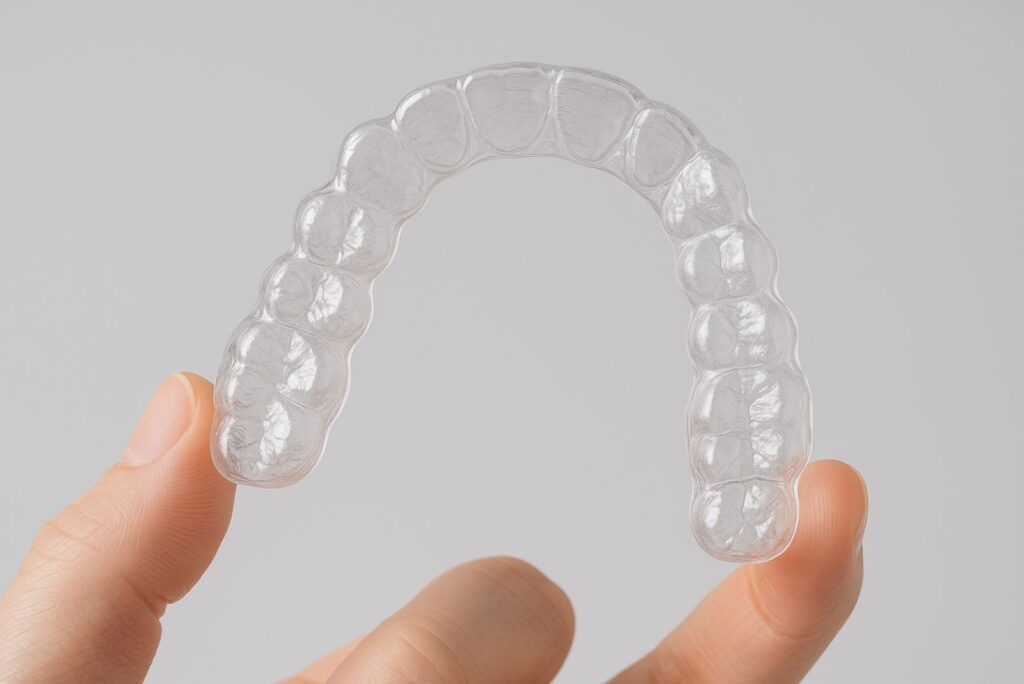
Invisalign sit softly over the teeth and use gentle pressure to guide them into better positions. They are simple to wear, but they still feel new at first. The adjustment timeline can be different for every child.
Some kids feel comfortable within a few days, while others may take a little longer. With the right support and patience, most kids learn to manage their aligners faster than expected.
In many communities, including places like Methuen, parents often discover that their children settle into the routine of wearing invisalign sooner than they originally imagined.
What Kids Usually Feel in the First Few Days
The First 24 Hours
The first day is usually the biggest change for kids, and it’s completely normal for them to feel a bit of tightness as the aligners begin their gentle work. This mild pressure fades fairly quickly as the teeth start responding, especially once they settle into the routine of invisalign treatment in Methuen during those early adjustment hours.
Kids also become more aware of how the smooth plastic sits in their mouth, which can feel a little unusual along the cheeks or tongue at first. Some children may even speak with a slight lisp on day one, but this is only temporary and typically disappears once they get used to talking with the aligners in place.
Another important part of the first day is learning how to remove the aligners and put them back in. This can feel confusing in the beginning, but most kids learn the steps quickly. With practice, they become comfortable with inserting and removing the aligners without help.
The First Week
By the end of the first week, kids often notice that the pressure is much weaker or has faded completely. This is a sign that the teeth are responding to the aligners. Speech also improves. As their tongue adapts to the new shape inside their mouth, they start to sound like themselves again. Most kids talk clearly by the end of the week.
Their routine also starts to form during this time. They begin remembering to remove the aligners before meals, place them in their case, and put them back in once they are done eating.
Cleaning the aligners becomes part of their daily habits, and the new routine starts feeling more familiar. For many parents, this first week brings noticeable progress and reassurance.
Factors That Affect How Long Kids Take to Adjust
Age and Growth Stage
Age plays a big role in how quickly kids adapt. Younger children often adjust faster because their mouths are already changing as baby teeth fall out and adult teeth grow in. Since they are used to these natural changes, clear aligners feel easier for them to accept.
For kids in early teen years, the adjustment also goes well, but they may notice the pressure more during the first few days because their teeth are stronger and more stable.
Mixed dentition, which means having both baby teeth and adult teeth at the same time, can slightly affect early comfort. Kids with this combination may notice different pressure on different teeth, but the feeling still fades at a normal pace.
Comfort Levels and Sensitivity
Some children have more sensitive gums or teeth. They may feel the pressure more strongly during the early days of wearing clear aligners. This sensitivity usually decreases as the mouth adjusts.
Cold snacks or cold water often help relieve early soreness by calming the gums.The smooth surface of the aligners helps reduce irritation, and if the child feels a rough area, a dentist can easily smooth it out.
As they adjust, visiting a kids dentist Methuen during this period ensures any discomfort is checked early and corrected gently. Over time, sensitivity fades, and the child becomes more comfortable as their mouth gets used to the aligners.
Habits and Daily Routine
A child’s routine makes a big difference. Kids who brush regularly and follow consistent habits usually adapt faster because they are used to structured daily tasks. Wearing aligners for the recommended number of hours each day helps the mouth adjust more quickly.
Some kids need reminders in the beginning. Parents can help by using simple prompts during meals or bedtime. Over time, the child learns the routine and becomes more independent with their aligners.
Common Challenges Kids Face During Adjustment
Speaking Clearly
Clear aligners can affect speech during the first few days. Kids may sound different or feel unsure when talking. This is very common and usually improves quickly. Practicing speech helps the tongue adjust.
Many kids enjoy reading aloud or talking more during the early days to help speed up the process. By the end of the first week, most kids speak clearly and feel confident again.
Soreness or Pressure
The gentle pressure from clear aligners is necessary for tooth movement. Kids often describe this feeling as tightness. The pressure is usually strongest on the first day of each new set of aligners.
It fades within a day or two as the teeth shift. Cold foods such as yogurt or soft smoothies can help make the early hours more comfortable.
Remembering to Wear the Aligners
Kids need to wear their aligners for the recommended hours each day for them to work effectively. Some children forget to put them back in after meals or snacks. This challenge is common at first, but simple reminders help the child build strong habits.
Parents can assist by keeping the aligner case in a visible place or reminding their child during important times of the day. Over time, kids learn to remember on their own.
How Parents Can Help the Adjustment Go Smoothly
Encouragement and Positive Support
Kids adjust faster when they feel supported. Parents can help by reminding them that the early changes are temporary.
Words of encouragement build confidence and make the transition easier. Celebrating small milestones, such as completing the first week, helps kids feel proud and motivated.
Establishing a Routine
A steady routine is one of the most helpful tools during adjustment. Parents can create simple habits around mealtimes, brushing, and bedtime.
When kids follow the same steps every day, wearing the aligners becomes natural. This also helps prevent the aligners from getting misplaced during meals or activities.
Using Simple Tools for Comfort
Some kids benefit from small comfort options during the early days. Cold snacks or cold water can soothe mild soreness. Parents can also keep dental wax handy if the child ever feels a rough edge.
These simple tools reduce discomfort and help the child feel more secure while adjusting to their aligners.
Realistic Timelines for Kids Adjusting
First Day to First Week
This is when kids notice the biggest changes. They feel pressure, experience speech changes, and learn how to manage the aligners.
By the end of the week, many kids feel much more comfortable. Their speech improves, and they begin to form strong daily habits. Parents often notice that their kids grow more confident during this time.
One Week to One Month
During this period, the routine becomes solid. Kids begin switching to their next sets of aligners, which helps them understand the rhythm of treatment. Their cleaning habits also strengthen.
Many kids stop noticing the aligners altogether because they feel natural in their mouth. By the end of the month, the child usually feels fully comfortable.
One Month and Beyond
After the first month, wearing clear aligners becomes second nature. The pressure from new sets of aligners is hardly noticeable except for the first few hours after switching.
Parents in many communities, including Methuen, often share that after the first month, their child wears the aligners without reminders and rarely mentions discomfort.
Examples of How Kids Typically Adapt
A Quick Example of a 10-Year-Old Adjusting
A 10-year-old usually adjusts very quickly. In the first few days, they may sound different when talking, but by the third or fourth day, their speech improves. Pressure fades by day three.
They may need help remembering to put the clear aligners back in after meals, but by the end of the week, they manage it independently. Kids this age are used to mouth changes, so they typically adapt fast.
A Quick Example of a Teen Adjusting
Teens also adapt well but may feel the pressure more strongly during the early days. They understand the goal of treatment and often take responsibility for their routine.
By the end of two weeks, most teens no longer notice the aligners. They clean them regularly and remember to keep them in place without needing reminders.
Conclusion
Kids adjust to clear aligners more quickly than many parents expect. The first few days may involve mild pressure and speech changes, but these improvements come fast.
By the end of the first week, most kids feel much more confident, and by the end of the month, the aligners feel completely natural. With good routines and supportive guidance, the adjustment becomes smooth and manageable.
For more help or to begin your child’s orthodontic journey, you can reach out to How Does Invisalign Improve Oral Hygiene Habits in Children? for friendly guidance using invisalign, and remember that invisalign can be a comfortable option for many young smiles.
Sources: