Kids grow quickly, and their smiles often change in ways that parents do not expect. One year their teeth may look perfectly spaced, and the next year they may shift, crowd, or form small gaps.
These changes lead many families to wonder whether clear aligners can help fix early alignment problems. Clear aligner treatment has become more common for children, especially because it is comfortable and easy to manage during busy school and activity schedules.
Many parents also appreciate that the treatment is gentle and flexible as their child continues to grow. Before choosing any option, families want to understand what clear aligners can correct and how they support healthier development in a child’s smile.
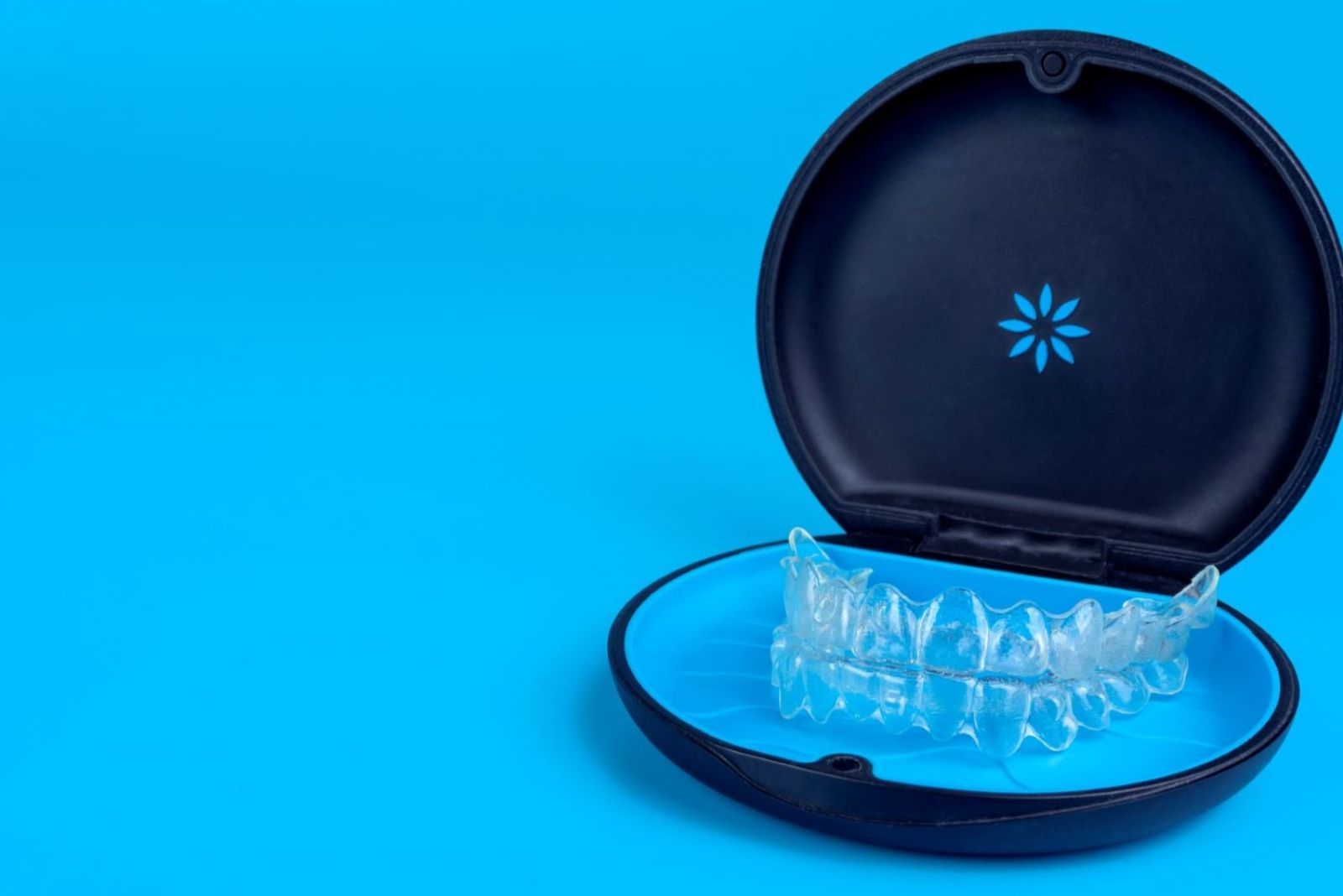
Clear aligners guide teeth into better positions using thin, smooth trays that apply light pressure over time. For many kids, this approach feels natural and simple.
Treatments like invisalign are often used to correct common alignment issues, especially during the years when both baby teeth and permanent teeth are present. This article explains everything in simple terms so parents can feel confident and informed.
Why Parents Ask About Clear Aligners for Children
During early childhood and the pre-teen years, children go through the mixed dentition stage, where baby teeth and new adult teeth exist at the same time. As these teeth shift, it’s normal to see spacing changes, bite differences, and movements that make the smile look uneven.
Some of these changes settle on their own, but others may turn into long-term alignment problems if treatment is delayed, especially when considering options like invisalign for teens Methuen during this growing phase.
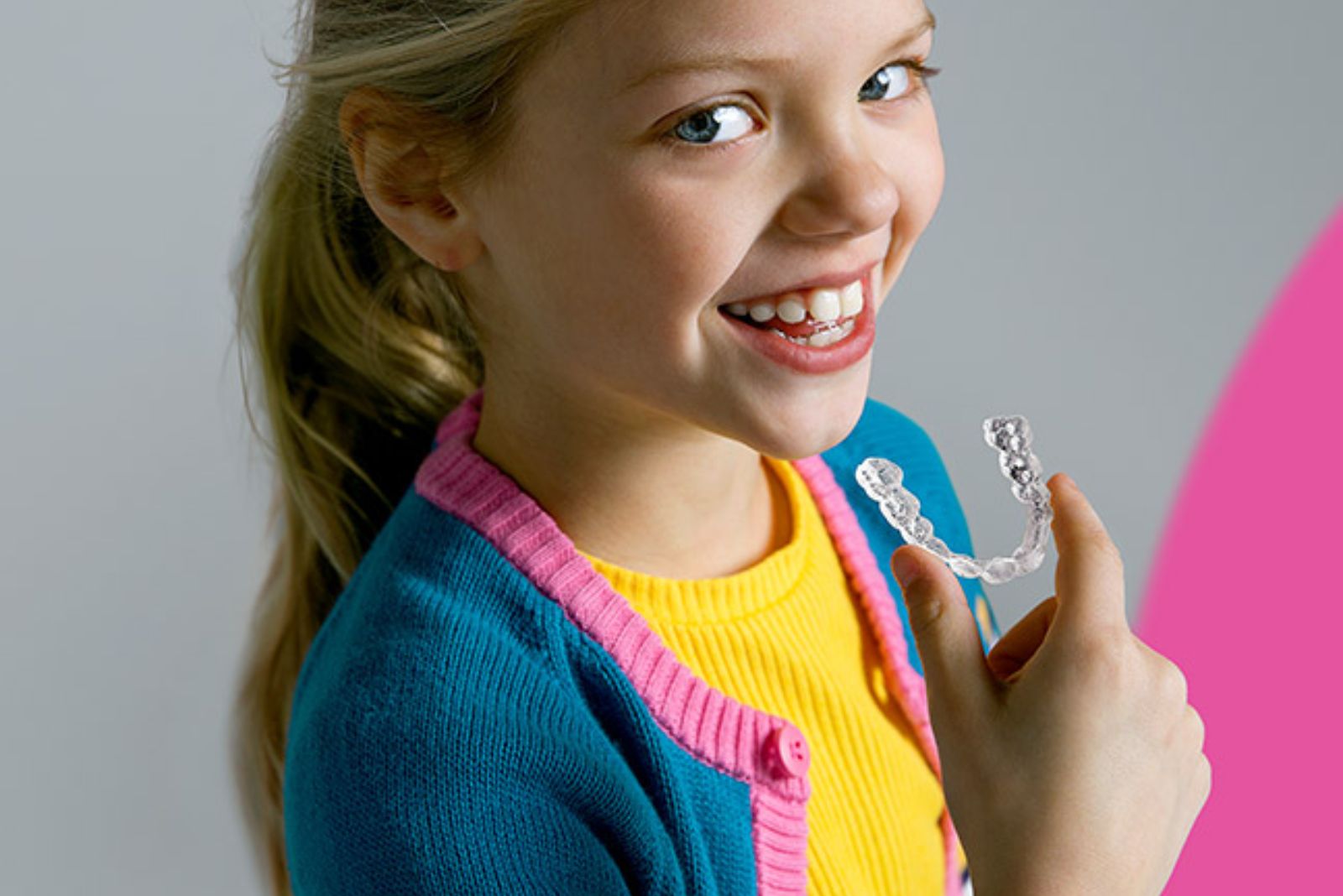
Parents often ask about clear aligners because they want a treatment that is comfortable and easy for their child to wear all day. Unlike traditional metal options, aligners are smooth and removable, which helps kids brush, floss, and eat with fewer challenges.
Growth also affects treatment decisions because a child’s developing jaw can respond well to gentle guidance.
Clear aligners work by helping the teeth move step by step, and treatments like invisalign follow a predictable process for many mild to moderate issues. For families who want clarity and comfort, aligners have become a trusted option.
Dental Problems in Kids Can Invisalign Correct?
Crowded Teeth
Crowded teeth are very common in children, especially as adult teeth begin to emerge. A child’s jaw may not have enough space for the larger permanent teeth, causing them to overlap, twist, or push outward.
Crowding can make brushing and flossing more difficult, which raises the risk of plaque buildup and early cavities.
Clear aligners can gently shift crowded teeth into healthier positions. Because each tray moves the teeth slightly, the pressure remains light and steady. Over time, the teeth spread out and form a better alignment.
This early guidance prevents the problem from worsening as more adult teeth arrive. Many families in Methuen choose early evaluations because crowding is easier to treat during growth, when the jaw is more adaptable.
Kids who choose aligners often appreciate that the trays do not interfere with daily routines like sports, music, or school activities.
Spacing Problems (Gaps Between Teeth)
Some children naturally develop gaps during the transition from baby teeth to adult teeth. These gaps may be normal, but larger or uneven gaps can create challenges. They can affect a child’s bite, speech, and confidence.
Clear aligners can help close unwanted gaps by guiding the teeth toward a better position. Because the trays hold the teeth in place while applying gentle pressure, the movement is controlled and predictable.
Aligners also help prevent spacing from increasing as new teeth erupt. This makes them helpful for children who experience shifting patterns during growth.
Spacing problems also respond well to early correction, especially because young smiles change rapidly.
Overbite
An overbite occurs when the upper front teeth extend too far over the lower teeth. Many kids have a small overbite, but a deep overbite can create challenges with chewing, speech, or tooth wear.
Clear aligners can help adjust mild to moderate overbites by guiding the upper and lower teeth into a better relationship. This can include moving the top teeth back slightly or moving the lower teeth forward.
Correcting an overbite early helps the jaw develop more comfortably and reduces pressure on the front teeth.
Parents like that aligners are a smooth and comfortable option during school, meals, and extracurricular activities.
Underbite
An underbite happens when the lower front teeth sit in front of the upper front teeth. This can affect chewing, speaking, and jaw comfort. In some children, an underbite is caused by tooth position rather than jaw growth.
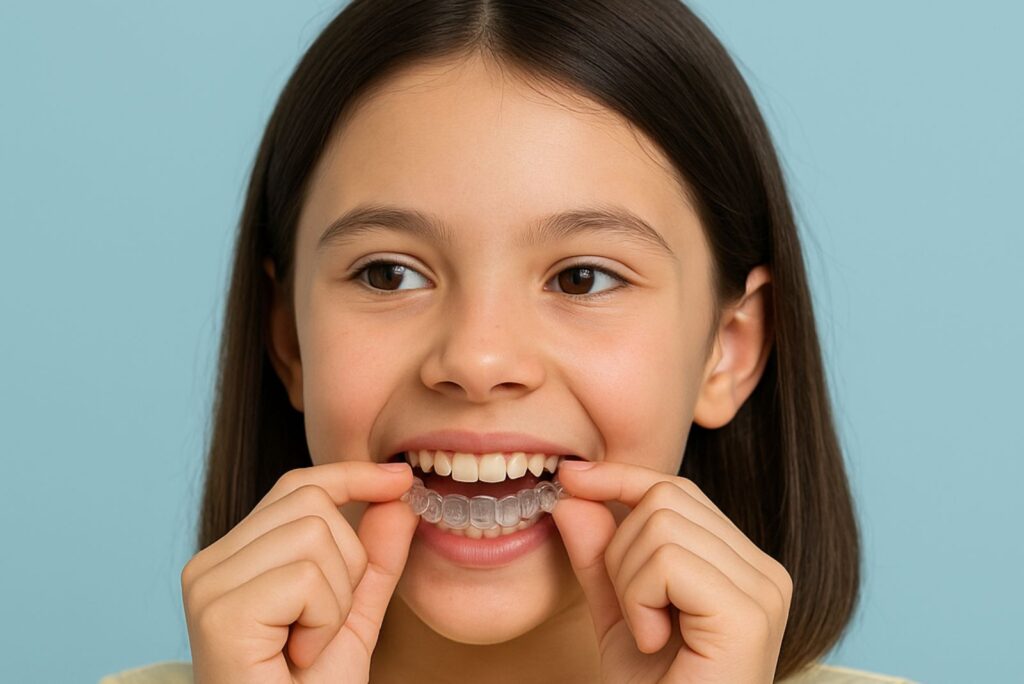
These cases respond well to clear aligners.Aligners can help improve mild underbites by moving the upper and lower teeth into a healthier bite.
Early correction is especially helpful during childhood because the jaw is still forming, and this is often when orthodontics Methuen MA can make the biggest difference. This provides a better chance for long-term stability as the child grows older.
Severe underbite cases involving major jaw differences may require other orthodontic methods, but many mild dental-related underbites can be corrected with aligners.
Crossbite
A crossbite occurs when the upper teeth sit inside the lower teeth rather than outside. This may happen in the front of the mouth or on one or both sides in the back. A crossbite can cause uneven wear, chewing issues, and jaw shifting habits.
Clear aligners can correct certain crossbites by shifting the teeth into a healthier bite. Because aligners cover the entire tooth surface, they can help guide the teeth in a consistent and steady direction.
Early correction can improve not only the bite but also the comfort of chewing and speaking.Kids appreciate the smooth feel of aligners during everyday activities, making it easier to keep up with treatment.
Open Bite
An open bite occurs when the upper and lower front teeth do not touch when the child bites down. This can be caused by thumb-sucking, tongue habits, or specific growth patterns. Open bites can affect how a child eats and speaks.
Clear aligners can help close an open bite by moving teeth vertically until the upper and lower teeth meet properly. Early treatment often makes a big difference because the teeth and jaw are still changeable during childhood.
Many parents see improvements not only in the bite but also in speech clarity once the teeth meet correctly.
Mild Midline Problems
The midline is the imaginary line that divides the front teeth into left and right halves. Sometimes, the upper and lower midlines do not align. This can happen when a child loses a baby tooth early or when teeth shift unevenly.
Clear aligners can make small adjustments that bring the midline closer to the centre. These changes help improve the balance and appearance of the smile.
Because midline issues are often related to tooth position, they respond well to steady guidance during early development.
When Invisalign May Not Be the Right Choice
Clear aligners are helpful for many children, but they cannot correct every dental situation. Severe bite issues, large jaw differences, or major skeletal problems may need different orthodontic tools.
Some children may also struggle with wearing aligners consistently, and steady wear is important for good results.A professional evaluation helps determine whether aligners are a good match.
The dentist checks the bite, tooth position, daily habits, and growth patterns before recommending treatment. Early visits also help families in Methuen understand timing and options that support the child’s long-term dental health.
How Invisalign Treatment Works for Kids
Step 1 – Initial Exam and Planning
The process starts with a careful exam that includes photos, digital scans, and X-rays. These images help the dentist see how the teeth and jaw are developing. Parents and children can ask questions and learn what to expect.
Many families appreciate how clinics like Happy Hoppers Pediatric Dentistry and Braces explain each step clearly and support children throughout the experience.
Step 2 – Custom Series of Clear Aligners
After planning is complete, a set of custom-made aligners is created. Each tray is slightly different from the last, allowing the teeth to move gently from one stage to the next.
The aligners are smooth and clear, making them comfortable for daily wear at school, during activities, and at home.
The child switches to the next aligner on a set schedule, and the teeth continue to shift toward the planned positions.
Step 3 – Regular Checkups
Checkups are usually quick because the dentist mainly needs to confirm that the teeth are moving as expected. These visits help monitor the child’s growth and make small adjustments if needed. Because aligners are removable, appointments tend to be smooth and simple for families.
Benefits of Invisalign for Growing Smiles
Clear aligners are comfortable for kids because they have no sharp brackets or wires. They are also nearly invisible, which helps many children feel confident during school and social activities.
Since aligners can be removed for meals, brushing, and flossing, dental hygiene remains straightforward throughout treatment.
Children who play sports or musical instruments often prefer aligners due to their flexibility and comfort. They also allow families to avoid food restrictions, making mealtime easier and more relaxed.
Realistic Expectations for Parents
Every child grows at a different pace, and this affects how teeth move and how long treatment takes. Clear Aligners must be worn consistently to work properly, and parents play an important role in helping children stay on track. Habits, growth patterns, and cooperation all influence results.
Parents can encourage progress by supporting daily routines and attending regular checkups. With consistent use and professional guidance, many children see steady improvements in their alignment.
Conclusion
Kids can develop several alignment issues as they grow, and clear aligners offer a gentle and helpful way to guide many of these problems toward improvement. Early evaluations make it easier to understand when treatment should begin and how it will support a healthy smile.
With the guidance of a caring team like Happy Hoppers Pediatric Dentistry and Braces, parents can make confident decisions about their child’s orthodontic care and take the first step toward long-lasting dental health.
Sources: