When a child completes their braces treatment, it’s a joyful milestone for both parents and kids. The smile they’ve worked hard for is finally revealed, bright and perfectly aligned.
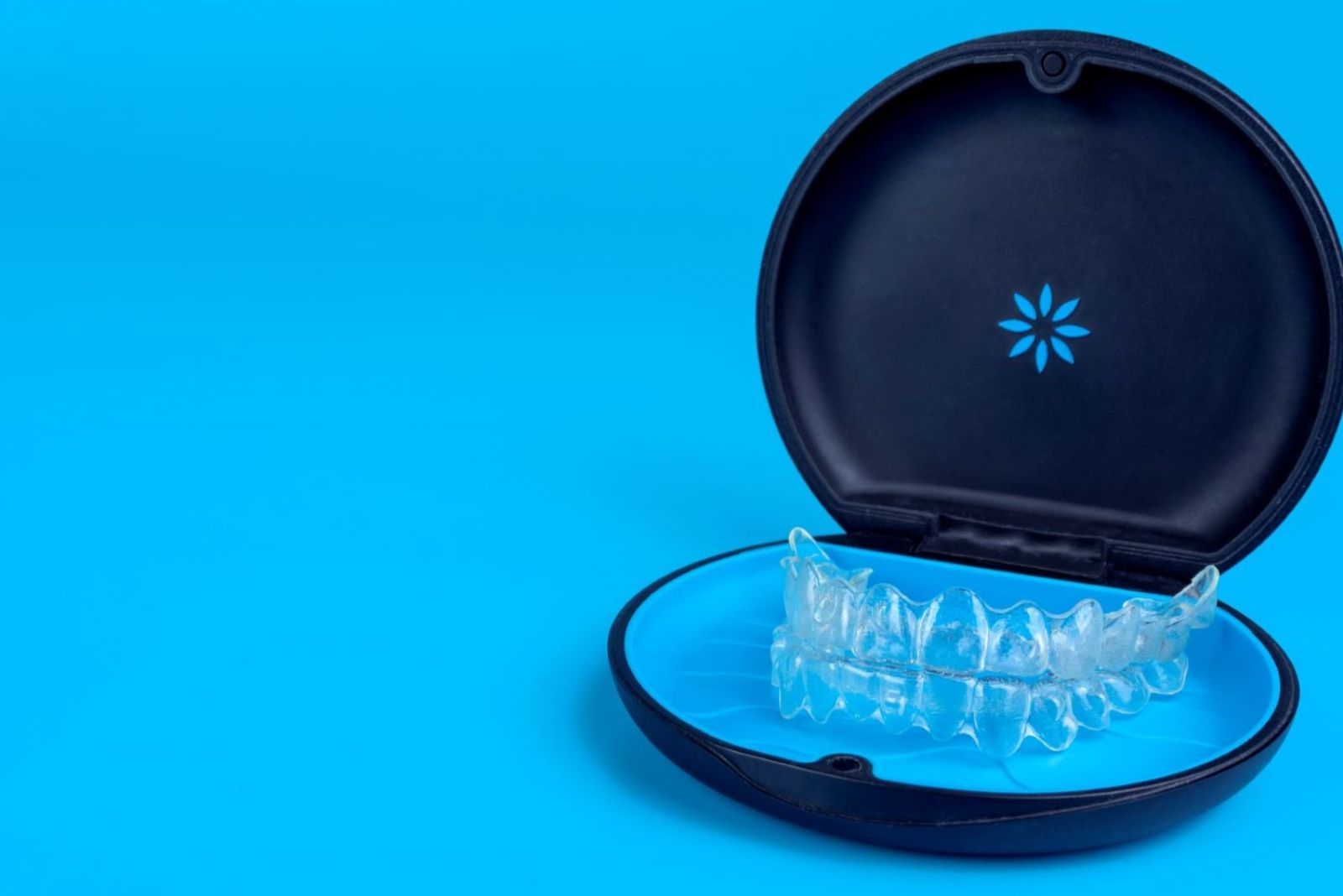
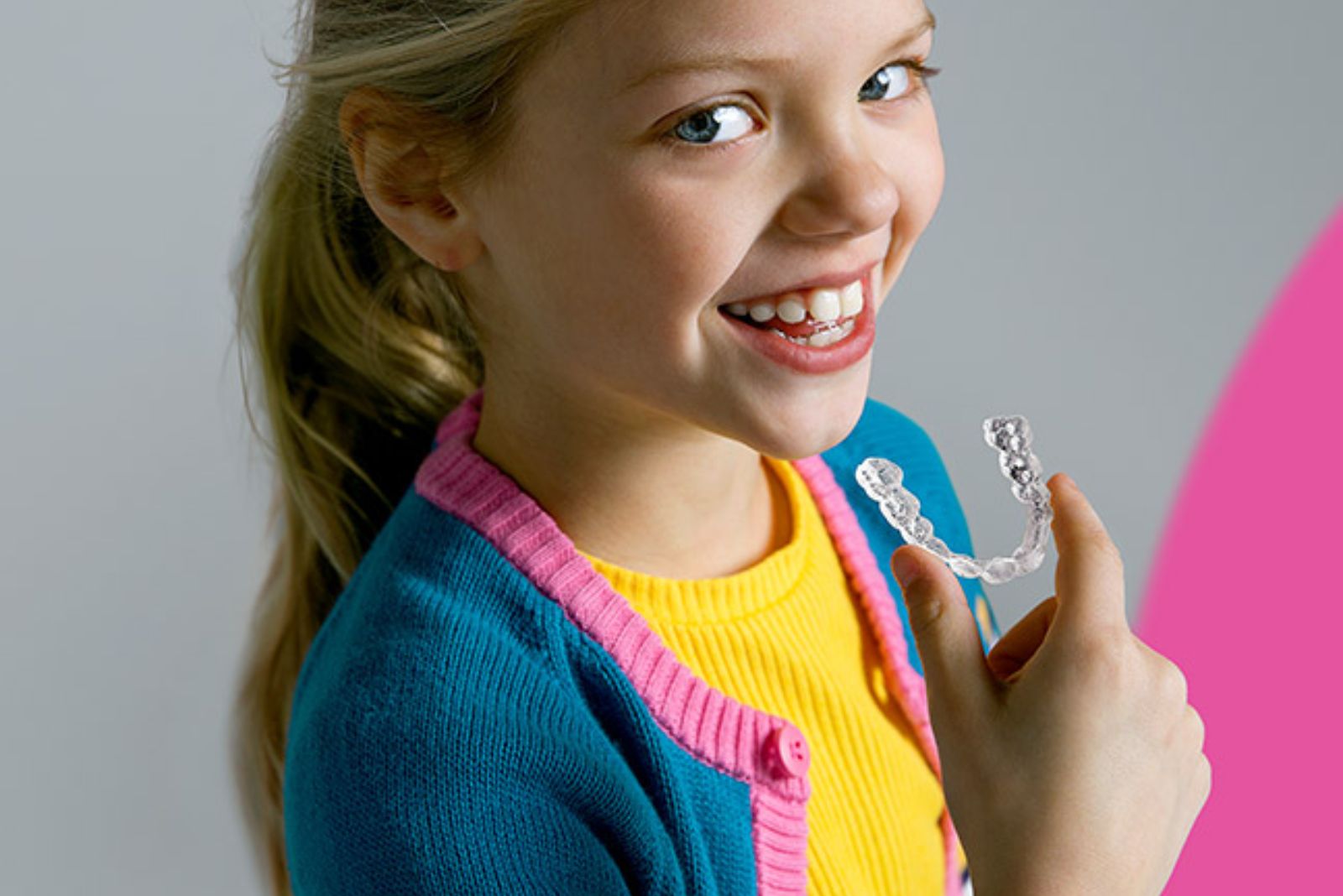
But right after that excitement, the dentist introduces another important step , retainers. These small but essential devices are designed to keep teeth in their proper position after braces are removed.
However, many parents in Methuen often notice something unexpected: their child’s speech sounds slightly different. Some kids may lisp, while others might slur certain words. This can raise a common concern, can retainers change a child’s speech?
The answer is both simple and reassuring. Speech changes caused by retainers are temporary and part of the natural adjustment process.
In this article, we’ll explore how retainers influence speech, why it happens, how long it lasts, and what parents in Methuen can do to help their children adapt quickly and confidently.
Understanding the Role of Retainers
After braces are taken off, teeth can naturally start shifting back toward their old positions. Retainers help prevent this by keeping the teeth stable as the gums and bones adjust.
They act like a gentle holding guide that keeps the smile aligned while the mouth settles. Many families choose retainers in Methuen to ensure their child’s results last long after orthodontic treatment ends.
There are two main types , removable and fixed , both designed to maintain alignment while offering comfort and reliability.
How Retainers Can Affect Speech Initially
The first few days after getting a retainer can feel strange for a child. There’s suddenly something new in their mouth, and it can interfere with natural speech patterns.
The tongue, lips, and airflow all work together to produce clear sounds, and when a retainer changes that space, it can lead to mild distortions in speech.Commonly, children experience a lisp when trying to say words containing “s,” “sh,” and “th.”
These sounds rely on precise tongue positioning, often touching or nearing the roof of the mouth , exactly where the retainer rests. This can cause air to escape differently, leading to slight speech changes.
Fortunately, these changes are completely temporary. As the child continues speaking and wearing the retainer, their mouth muscles learn to adapt.
In Methuen, parents often find that their children return to normal speech within just a week or two once they consistently wear their retainers and continue with regular talking at school or home.
Why the Speech Change Happens
Every sound we make relies on a combination of tongue movement, airflow, and muscle coordination.
When your child adds a retainer into that system, even a tiny shift in the shape or space of the mouth can change how air flows. The tongue must learn a new position to make the same sounds correctly.
Think of it like playing an instrument. If you move your fingers slightly on a flute or guitar, the sound changes. The same principle applies to speech.
The tongue needs time to relearn where to move and how to work around the retainer. Most children in Methuen adapt quickly because their developing muscles are flexible.
Within a few days, they begin forming clear sounds again. As they talk, laugh, and sing, their mouth naturally trains itself to adjust to the new space.
How Long Speech Changes Last
Speech changes from retainers are short-lived for most children. On average, kids adapt within the first week, while others might take two weeks at most.
The key factor is consistency. The more your child wears their retainer and speaks with it, the faster they adjust.
Children who talk frequently throughout their day , such as at school, during activities, or with friends , tend to regain normal speech more quickly. In contrast, if they remove the retainer often or avoid talking while wearing it, adaptation can take longer.
Many parents seeking orthodontics in Methuen are assured that this brief adjustment period is perfectly normal and expected as part of the post-braces process.
In Methuen, dentists often reassure parents that this phase is temporary and part of the natural adjustment process.
The slight lisp or slurred sound fades as the tongue learns to navigate around the retainer and pronunciation returns to normal.
If your child’s speech doesn’t improve after a few weeks, it’s a good idea to visit your dentist. Sometimes, a small adjustment to the retainer’s fit can make all the difference.
Helping a Child Adjust to Retainers
Adapting to retainers is much easier when parents provide encouragement and support. The first few days may bring slight frustration, but with a bit of practice, speech clarity improves rapidly.
Encourage your child to speak as much as possible with the retainer in place. The more they practice, the faster their muscles adjust.
A great way to help is by having your child read aloud for about ten minutes daily. Reading storybooks, singing their favourite songs, or even having fun conversations helps their mouth become comfortable with the retainer.
This also boosts confidence and turns the adjustment period into something positive. Another simple method is focusing on words that contain “s” and “th” sounds.
These are often the trickiest when learning to speak clearly with a retainer. With repetition, your child’s tongue naturally adapts to its new position.
Parents in Methuen who make this process fun , such as turning it into a speaking challenge or recording progress videos , find their kids adjust even faster. The goal is to keep the atmosphere light-hearted and motivating.
Role of Parents and Dentists in the Process
Parents play a key role in how smoothly their child adjusts to retainers. Staying patient, positive, and encouraging can make all the difference. Remind your child that speech changes are normal and that many kids go through this same process.
If your child feels embarrassed about their lisp, reassure them that it’s only temporary and part of growing their new smile. Celebrate small improvements, and avoid letting them remove the retainer too often.
Regular use helps the tongue and mouth adapt more quickly. Dentists also guide families through this phase.
A trusted dental team , such as the experts at Happy Hoppers Pediatric Dentistry and Braces, can monitor your child’s progress and make any necessary adjustments for comfort. If the retainer feels too tight or affects speech significantly, a minor modification can help.
Methuen families benefit from having access to local, supportive dental professionals who understand how to help kids through this phase smoothly.
The Positive Side of Wearing Retainers
While the early adjustment might bring a few challenges, the long-term benefits of wearing retainers far outweigh the temporary speech changes. They maintain the beautiful alignment that braces achieved, ensuring that teeth remain in their ideal positions.
Straight, well-aligned teeth also make it easier to pronounce certain sounds clearly. When teeth are properly aligned, the tongue moves more naturally, and airflow remains balanced.
Many parents in Methuen notice that once their child fully adjusts, their speech actually becomes clearer and more confident than before.
Proper alignment can even prevent future speech problems linked to misaligned bites or crowding. Beyond improving pronunciation, retainers also contribute to better oral health, as straight teeth are easier to clean and less prone to cavities or gum issues.
What Parents Should Watch For
Although speech changes are common during the first few weeks, parents should monitor their child’s progress. If a lisp or speech issue persists for longer than three weeks, it’s worth consulting the dentist.
Sometimes, the retainer might need slight reshaping or refitting.In rare cases, a speech therapist can help by teaching tongue-placement exercises that improve clarity.
However, for most children, regular speaking and patience are enough for their speech to return to normal.Methuen parents often find comfort in knowing that every child’s adjustment timeline is different.
Staying supportive and calm helps build your child’s confidence, which is just as important as their physical adjustment.
Supporting Speech Development with Confidence
Retainers can be viewed as more than just a post-braces requirement,they’re also an opportunity for your child to learn patience, consistency, and self-awareness.
Encourage your child to talk about how the retainer feels and celebrate their progress along the way. Once the initial phase passes, your child will speak comfortably and enjoy the benefits of a strong, healthy smile.
In Methuen, where families prioritise both oral health and confidence, this adjustment period is a small step toward lifelong dental stability and improved communication.
Conclusion
Speech changes caused by retainers are temporary and completely normal for children. Most kids adapt within a few days or weeks through consistent use and regular speaking practice. The key is patience, encouragement, and steady communication.
Once the mouth adjusts, your child’s speech clarity returns,often better than before.At Happy Hoppers Pediatric Dentistry and Braces, families in Methuen receive caring support throughout every phase of their child’s orthodontic journey.
With gentle guidance, regular check-ups, and expert advice, your child can maintain a beautiful, healthy smile and speak with growing confidence every day.
Sources: