Children grow fast, and many parts of their body change at the same time. The face, jaw, and airway develop quickly during the early years, which is why parents sometimes notice habits like mouth breathing, snoring, or crowded teeth.
These signs may seem separate, but they are often connected. Many families wonder whether early care can make a difference.
This leads to an important question: can treatment such as orthodontics help improve a child’s breathing or support better jaw growth?To answer this, it helps to understand how the teeth, jaw, and airway are closely linked from a young age.
How Breathing and Jaw Growth Are Connected in Children
The Role of Mouth Breathing
Mouth breathing is a common habit among kids. It may start because of allergies, blocked nasal passages, enlarged tonsils, or simple routines formed at home. Breathing through the mouth might not look serious at first, but it can affect how the face and jaw develop.
When a child keeps their mouth open, the tongue does not rest against the roof of the mouth, where it should be. Instead, it sits low in the mouth.
This pattern can raise concerns during growth, which is why parents often explore orthodontics in Methuen to understand how breathing habits influence jaw development.
When the tongue stays low for long periods, the upper jaw does not grow as wide as it needs to. A narrow upper jaw can create crowding of teeth and can reduce airway space.
This may lead to snoring, restless sleep, and daytime tiredness. A child may even struggle to focus in school because poor sleep impacts how they feel throughout the day.
Why Early Facial Growth Matters
The bones of the face grow rapidly during childhood. This is the stage when the upper and lower jaws form their natural shape. If habits like thumb sucking or mouth breathing continue during these early years, they can push the face to grow in the wrong direction.
A child who keeps their mouth open often may develop a longer facial appearance, an open bite, or less room for the tongue.These changes happen slowly, which makes them easy to miss.
Parents might not realise the long-term effects until the child reaches their teenage years. At that point, the jaw is harder to guide, and treatment may be longer or more involved.
This is why early checks matter so much. They give families a chance to support natural growth before the bones become more set.
Can Orthodontic Treatment Improve a Child’s Breathing?
Expanding the Upper Jaw
One effective way to help children breathe better is by widening the upper jaw through a process known as palatal expansion. This treatment is helpful when the upper jaw is narrow, because the width of the jaw affects the space inside the nose.
When the palate becomes wider, the nasal passages can open slightly, allowing air to flow more freely.
Since children’s bones are still growing and flexible, expansion can be done safely and gently. Many children in Methuen have seen improvements in their airflow and comfort after this treatment.
They often report easier nasal breathing both during the day and while sleeping. Expansion also creates more space for the adult teeth to grow in a healthy way.
Correcting Bite Problems That Affect Airway Space
Bite problems can also influence a child’s breathing. If a child has an open bite, the teeth do not meet in the front, which allows the tongue to sit too far forward. This makes it harder to breathe through the nose.
A crossbite may cause the lower jaw to shift, reducing space in the airway. An overbite can also limit tongue room, creating breathing and chewing difficulties.
Correcting these issues can improve airflow. When the teeth fit together well, the jaw sits in a natural position that supports healthy breathing.
Aligning the jaw and teeth helps the tongue rest in the right place and reduces strain on the muscles in the face. Better alignment allows the airway to stay open and function properly.
Improving Nasal Breathing Through Better Jaw Alignment
The tongue plays a large role in breathing. When the jaw is aligned, the tongue can rest comfortably against the roof of the mouth.
This position encourages nasal breathing and helps the upper jaw grow to its full width. Nasal breathing is better for the lungs because it warms and filters the air.
Good tongue posture also keeps the airway clear and stable. Children often breathe more comfortably and sleep more peacefully when their jaw and tongue are in the right positions. Better sleep helps children learn, behave, and grow in a healthier way.
Can Orthodontic Care Support Better Jaw Growth?
Guiding the Jaw During Key Growth Years
A child’s face and jaw change the most during growth spurts. Treatment during this time can guide the jaw into a healthier position.
Children with small lower jaws or large overbites often benefit the most from early guidance, especially because early changes can reduce the need for more complex care later, such as braces for teens Methuen when permanent teeth start to settle in.
Growth-guiding appliances gently direct the jaw as it develops. These devices use the body’s natural growth instead of forcing change.
By supporting jaw development during the most active stages, early treatment can help improve alignment and reduce bite stress.
Since the lower jaw continues to grow through early adolescence, guiding it early can influence its final position in a positive, healthier way.
Helping the Lower Jaw Move Into a Healthier Position
Some children have lower jaws that sit too far back. This can make the airway smaller, especially when the child sleeps.
A smaller airway can cause snoring and breathing pauses. When the jaw is guided forward during growth, it can create more room for the airway and improve nighttime breathing.
A forward-moving jaw also helps with chewing and speaking. Children often gain confidence when their bite improves because their smile becomes more balanced and comfortable.
Supporting Facial Development Through Better Oral Habits
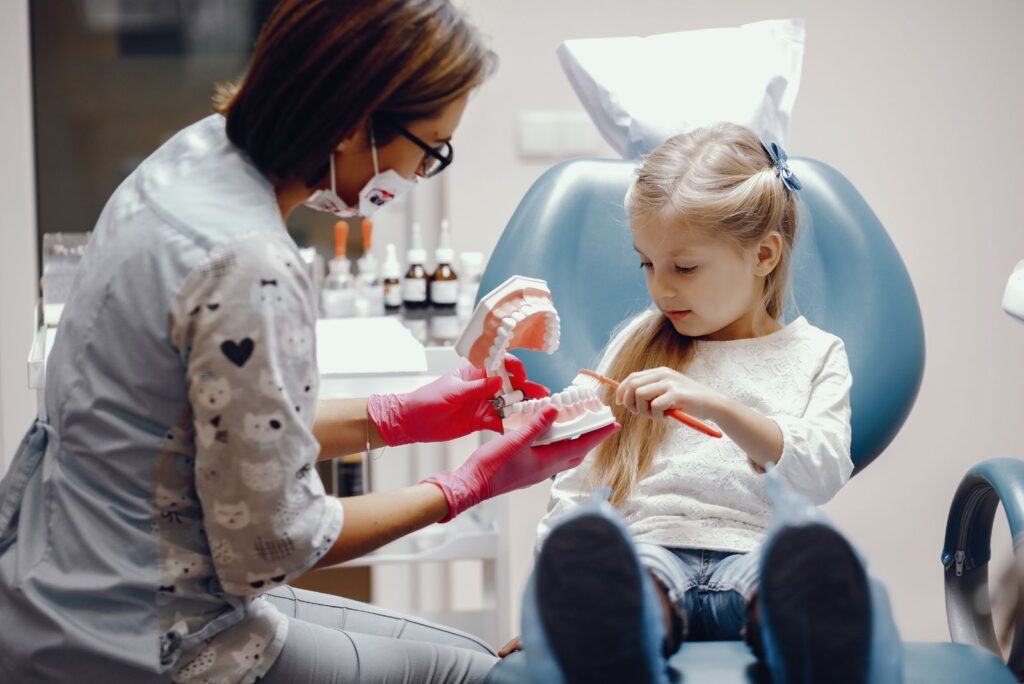
Treatment may also include training the muscles of the mouth. These exercises can help children keep their lips closed, breathe through their nose, and position their tongue correctly. These habits improve both facial growth and breathing.
Children who practice these habits develop a more balanced facial structure. Their jaw and airway benefit from stable muscle patterns, and the results of treatment can last longer.
These simple exercises can be especially helpful for growing children in Methuen who are still developing their facial structure.
Real Examples of How Treatment Helps
Case Example 1 — A Child With Narrow Upper Jaw
One child came for care because of constant mouth breathing and nighttime snoring. The upper jaw was narrow, and there was not enough room for the tongue.
After a palatal expander was used for several months, the child’s nasal breathing improved, and the snoring became much less frequent. The child also had more space for future teeth, and the smile looked wider and more even.
Case Example 2 — A Child With Early Overbite
Another child had a large overbite that pushed the lower jaw backward. This made breathing during sleep harder. Growth-guiding appliances helped bring the lower jaw forward.
Over time, breathing became easier, and the bite looked more balanced. The child’s sleep quality improved as well.
What Research Suggests About Airway-Focused Treatment
Research shows that widening the upper jaw often improves airflow in the nose. Other studies suggest that guiding jaw growth can increase airway space and support better breathing.
Results may differ from child to child, depending on age, growth, and habits. Treatment focuses on improving conditions for healthier breathing, but some children may need help from medical specialists as well.
When Parents Should Consider an Evaluation
Signs a Child’s Breathing May Be Affected
Parents should pay attention to signs such as snoring, dry mouth in the morning, heavy breathing at night, and breathing with the mouth open during the day.
These changes may show that the airway needs attention. Early checks can help identify concerns before they become bigger problems.
Signs of Jaw Growth Concerns
Jaw growth concerns may include crowded teeth, overbites, underbites, crossbites, or a long facial shape. These signs show that the jaw may not be growing as expected. Early care can guide the face and jaw into healthier positions.
Why Early Checkups Matter
Early assessments allow families to support jaw growth while the bones are still flexible. When issues are caught early, they can be corrected more easily, especially when guidance techniques like braces become part of the long-term plan.
Early care also helps children maintain healthy breathing habits that support better sleep, improved focus, and overall comfort.
Conclusion
Supporting a child’s breathing and jaw growth begins with understanding how the face and airway develop. Early evaluations can make a real difference in a child’s comfort, sleep, and long-term health.
If you are exploring care for your child’s growing smile, Happy Hoppers Dental Methuen is here to guide you with gentle and growth-focused support.
Sources:
- https://www.researchgate.net/publication/367552496_Effects_of_Rapid_Palatal_Expansion_on_the_Upper_Airway_Space_in_Children_with_Obstructive_Sleep_Apnea_OSA_A_Case-Control_Study
- https://www.mdpi.com/2076-3417/14/9/3721
- https://pmc.ncbi.nlm.nih.gov/articles/PMC8715551/
- https://link.springer.com/article/10.1186/s12903-023-03324-0