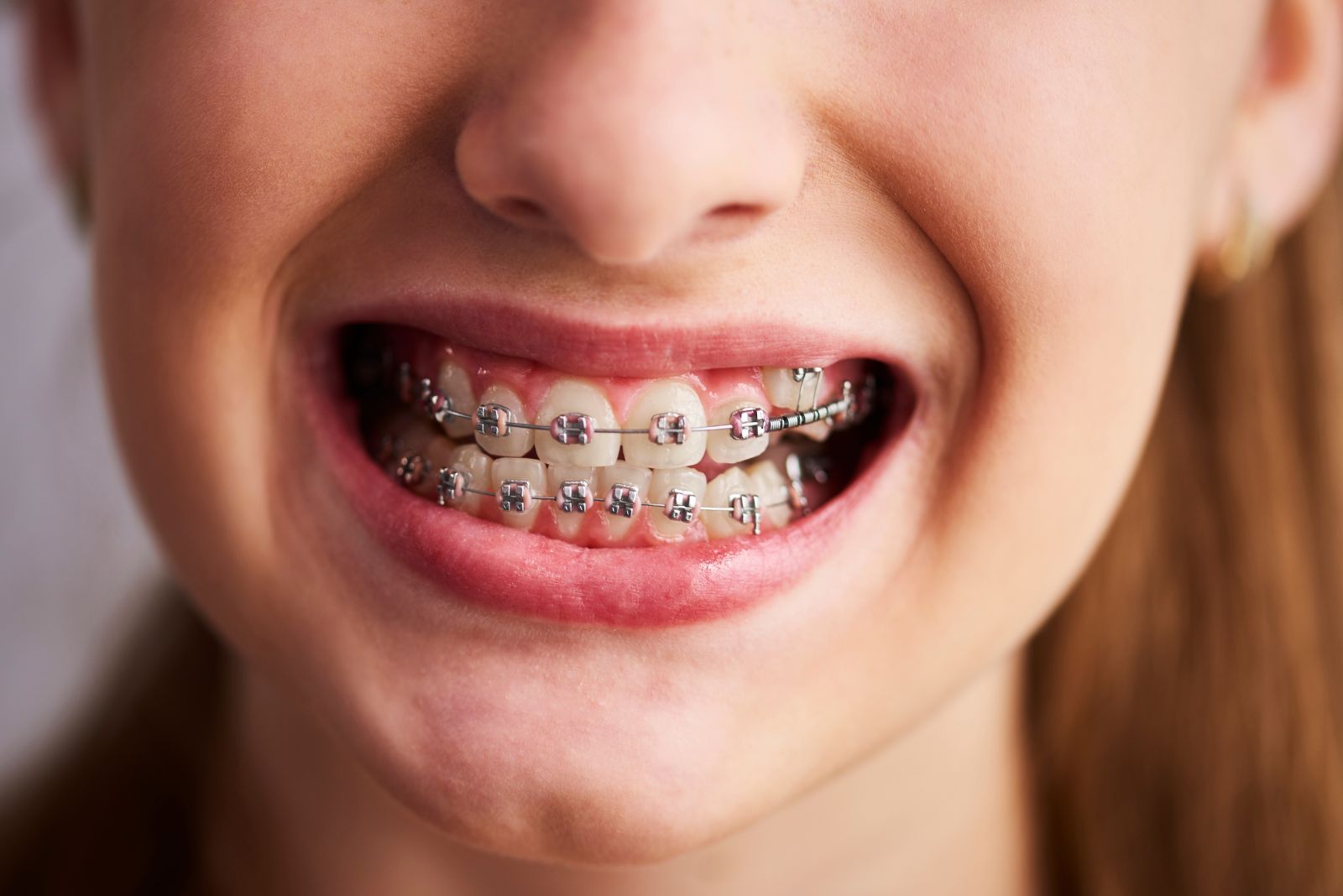
Orthodontic care can feel very different depending on a child’s age. When kids and teens both wear braces, the experience may look similar at first, but the reasons for treatment, the timing, and the outcomes are often not the same. Children are still growing, while teens are much closer to physical maturity.
That single difference changes how orthodontic treatment is planned and how it works over time. Knowing why age matters helps parents understand what their child needs and why starting at the right time can make a big difference.
This article explains the topic in a clear and simple way. It looks at how growth, daily habits, comfort, and emotional readiness shape orthodontic care for children compared to teens, using easy language that is simple to follow.
Understanding How Children’s Teeth and Jaws Grow
One of the most important differences between children and teens is growth. Younger children are still developing quickly, especially in the jaw and facial bones.
At this stage, braces treatment in Methuen can be planned to guide natural growth instead of trying to correct problems after the bones have fully developed.
Orthodontic care during early years often works with the body’s changes rather than against them, making the process more gentle and effective.
This is why early treatment can look very different from treatment during the teenage years. For younger children, orthodontic care may focus on creating space, improving jaw alignment, or preventing bigger issues from forming later.
In contrast, teen treatment usually corrects problems that are already fully developed, which may take more time and adjustment.
Baby Teeth vs. Adult Teeth
Children usually have a mix of baby teeth and adult teeth. This stage is known as mixed dentition. Because baby teeth will eventually fall out, orthodontic care during this time is not focused on making everything perfectly straight right away.
Instead, the goal is often to create enough space for adult teeth to come in properly. Early treatment can help reduce crowding and guide teeth into better positions before problems become more serious.
For many families in Methuen, early orthodontic visits are helpful because they allow concerns to be spotted early, when solutions are often simpler and more comfortable.
Jaw Development in Younger Children
A child’s jaw is still soft and flexible. This makes it easier to guide growth in a healthy direction. Early orthodontic care may help widen narrow arches or improve how the upper and lower jaws fit together.
When the jaw is guided while it is still growing, it can sometimes reduce the need for more complex treatment later on.
Because growth is still happening, small changes made early can have a big impact over time. This is one reason orthodontic care for children often focuses on guidance rather than full correction.
Why Braces Work Differently for Teens
Teenagers are usually past their fastest growth stage. By this time, most adult teeth have already come in, and the jaw is closer to its final shape. Because growth has slowed, orthodontic care for teens follows a different approach.
Limited Growth Opportunities
Once jaw growth slows down, orthodontists cannot rely as much on natural development to guide teeth. Instead, treatment focuses on carefully moving teeth into the right positions within the existing jaw structure. This often requires steady adjustments over a longer period.
Teen treatment is more about precision than guidance. Each movement is planned carefully to achieve proper alignment and a balanced bite.
Focus on Alignment and Bite Correction
For teens, braces are commonly used to fix crowding, spacing issues, and bite problems in a complete way. At this stage, treatment plans aim to finish alignment rather than prepare for future changes. Teens are usually expected to follow instructions closely, including wearing elastics if needed and keeping up with good oral hygiene.
Because teens are more aware of their treatment goals, they often understand why cooperation is important. This awareness helps treatment stay on track.
Treatment Timing: Kids vs. Teens
Timing plays a major role in orthodontic care. Starting treatment at the right age can affect how long it lasts and how complex it becomes.
For families exploring orthodontics in Methuen, understanding the right timing helps ensure the best possible outcome for a child’s growing smile.
Both early and later treatment have their own benefits, and the ideal approach depends on how the teeth and jaws are developing.
Phase One Treatment for Children
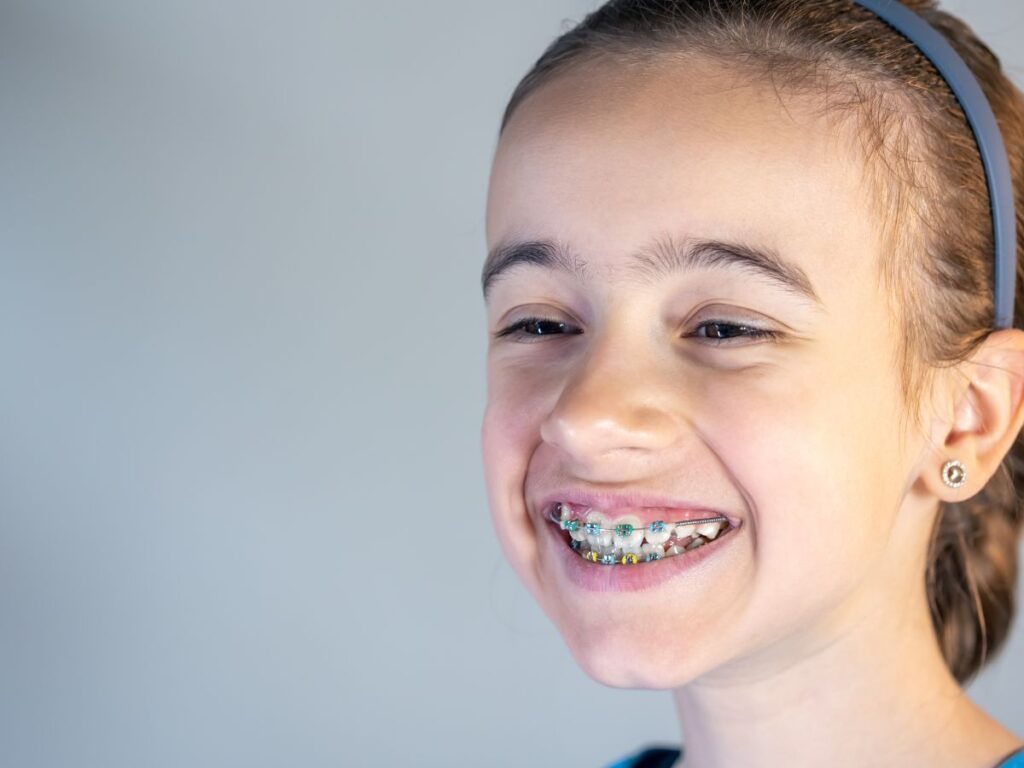
Phase one treatment often begins between the ages of seven and ten. This stage does not always involve full orthodontic appliances. It may include simple tools that guide jaw growth or help hold space for adult teeth.
The main goal is to make future treatment easier and more effective. Early monitoring allows orthodontists to watch how teeth and jaws develop over time.
This can reduce the chances of serious crowding or bite problems later on. Parents in Methuen often choose early evaluations because they want to address concerns before they grow into bigger challenges.
Comprehensive Treatment for Teens
Teen treatment usually involves a full orthodontic plan that lasts longer than early-phase care. Since most adult teeth are present, orthodontists can focus on final alignment and bite balance. This stage often requires patience, but it is designed to create long-term results that last into adulthood.
Teen treatment is usually more detailed because there is less room for natural change. Every adjustment matters, and consistent care helps achieve the best outcome.
Comfort, Care, and Daily Habits
Children and teens have different daily routines, and that affects how they experience orthodontic care. Younger children often need more support with brushing and cleaning around appliances. Parents usually play a big role in reminders and supervision during this stage.
Teens are generally expected to manage their own care. This includes brushing properly, avoiding hard or sticky foods, and following instructions closely. While this responsibility can feel like a big step, it also helps teens build healthy habits that last beyond treatment.
Comfort can also vary by age. Younger children may adjust more quickly because their teeth move more easily. Teens may feel more pressure during adjustments, but they often understand the process better and know that discomfort is temporary.
Emotional and Social Differences
Age affects how children and teens feel about orthodontic treatment. Younger children often see it as a normal part of growing up. They may not worry much about appearance and are usually more focused on school, friends, or activities.
Teens, on the other hand, are often more aware of how they look and how others see them. This awareness can make treatment feel more emotional at first. Over time, many teens feel more confident as they see progress and start to notice changes in their smile.
Orthodontic teams often adjust how they communicate based on age. Simple explanations help younger children feel safe, while clear goals and encouragement help teens stay motivated.
At Happy Hoppers Pediatric Dentistry and Braces, age-appropriate communication helps both kids and teens feel supported throughout their journey.
Long-Term Benefits of Age-Appropriate Treatment
Choosing the right time for orthodontic care can lead to better comfort and stronger results. Early treatment can guide growth and reduce future problems, while teen treatment focuses on finishing alignment and creating a healthy bite that lasts.
When care matches a child’s stage of development, treatment often feels smoother and more manageable. Families also feel more confident when they understand why a certain approach is recommended.
Conclusion
Orthodontic treatment is not the same for every age group. Children and teens have different needs because their teeth, jaws, and habits are at different stages of development.
Early care focuses on guiding growth, while teen care works on final alignment and bite balance. Understanding these differences helps families make informed choices and feel confident about the path ahead.
If you are looking for thoughtful, age-aware orthodontic care, Happy Hoppers Pediatric Dentistry and Braces is committed to helping every child and teen build a healthy, confident smile for the future.
Sources: