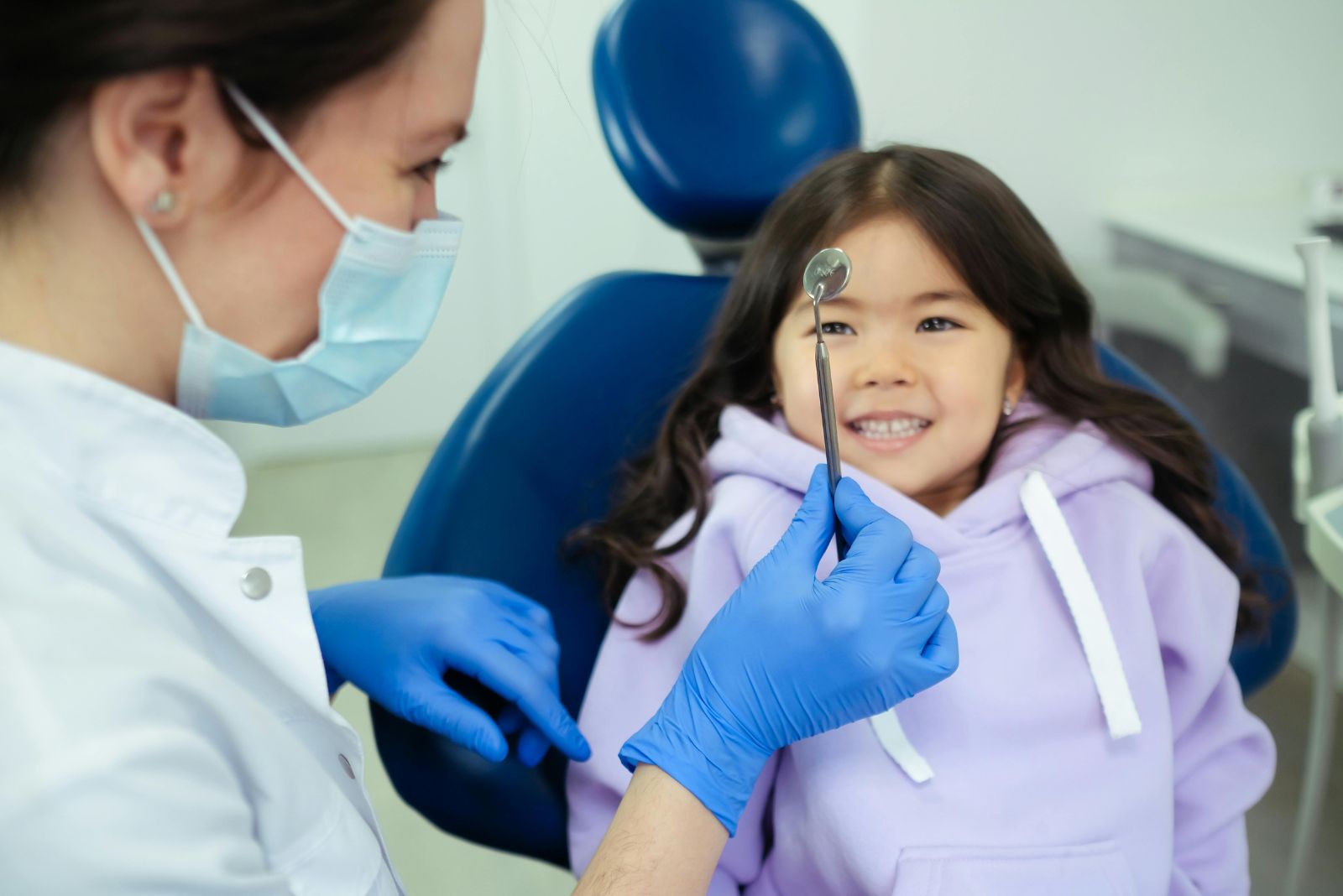
Many parents start noticing changes in their child’s teeth as baby teeth fall out. New teeth may grow in at odd angles, overlap, or create gaps that were not there before.
Some children feel shy about smiling, while others struggle with brushing because crowded teeth are hard to clean. These signs often make parents wonder whether early care is needed or if things will improve on their own.
Today, orthodontic care offers gentle options that fit into a child’s daily routine. Invisalign work gradually, allowing kids to eat, brush, and speak comfortably while their teeth move into better positions.
Understanding Early Dental Problems in Children
Why Dental Issues Start at a Young Age
A child’s mouth goes through many changes in a short time. Baby teeth fall out, adult teeth grow in, and the jaw continues to develop year after year.
During this phase, teeth may not always come in straight or evenly spaced, and it is common for teeth to compete for space as they appear.
This is often the stage when parents start learning about options like Invisalign for teens in Methuen, which focuses on guiding teeth gently as they grow.
Certain habits can also affect how teeth develop. Thumb sucking, mouth breathing, or losing baby teeth too early can shift nearby teeth out of position.
While these changes may seem small at first, they can become harder to manage as the child grows older. Early attention helps guide teeth into better positions and supports healthy jaw development.
The Importance of Early Orthodontic Care
Early orthodontic care does not always mean starting treatment right away. Often, it simply means watching how the teeth and jaw are developing.
Regular checks allow dentists to spot concerns before they turn into bigger problems. Parents in Methuen often ask if clear aligners can help with early alignment concerns. The answer depends on the type and severity of the issue.
Mild to moderate problems are often easier to manage when caught early, which can make treatment smoother and more comfortable for the child.
What Is Invisalign for Children?
A Simple Explanation for Kids and Parents
Invisalign is a treatment that uses clear, removable trays to guide teeth into better positions over time. Each tray is custom-shaped to fit the child’s teeth and applies gentle pressure to move them slowly. Children wear the trays most of the day and remove them when eating or brushing.
Because the trays are smooth and nearly invisible, many children adjust to them quickly. They do not have wires or brackets, which can make the experience feel less overwhelming for younger patients.
How Clear Aligners Work Over Time
Treatment usually includes a series of trays, each worn for a short period. Every new tray continues the movement started by the last one. Changes happen in small steps, allowing teeth to shift safely and steadily.
Regular dental visits help track progress and make sure everything is moving as expected. This gradual approach supports comfort while still delivering steady improvement.
Dental Crowding in Children
What Crowded Teeth Look Like
Crowding happens when there is not enough room for all the teeth to line up properly. Teeth may overlap, twist, or push forward. This is common when adult teeth are larger than baby teeth and the jaw has limited space.
Crowded teeth can make brushing difficult. Food and plaque often hide between tight spaces, which raises the risk of cavities and gum irritation.
How Clear Aligners Help with Crowding
Clear aligners guide crowded teeth into better positions by creating space gradually. When orthodontics in Methuen MA is part of a child’s care plan, parents often notice that as teeth begin to align, brushing and flossing become much easier.
Over time, the smile looks more even, and daily oral care feels less frustrating and more manageable for both children and parents.
Gaps Between Teeth
Why Gaps Form in Growing Smiles
Gaps can appear for several reasons. Some children have smaller teeth, missing teeth, or extra space between them. In many cases, gaps close naturally as more adult teeth come in.
However, larger gaps may remain and affect how teeth meet when biting. This can lead to uneven pressure when chewing.
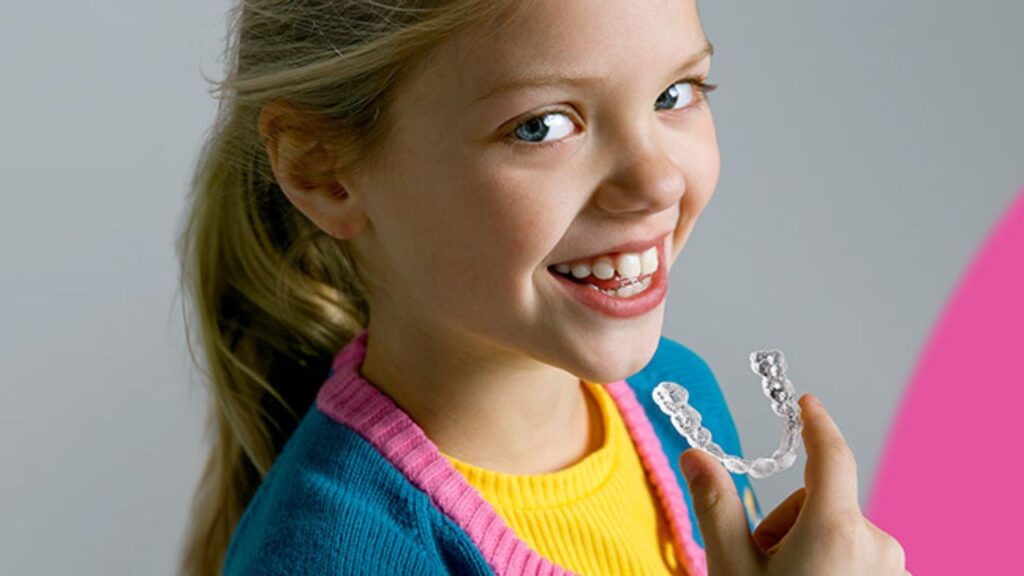
Aligning Teeth to Close Small Gaps
Clear aligners can gently bring teeth closer together. This helps improve how the teeth fit and creates a more balanced smile. Children often feel more confident once noticeable gaps begin to close.
Crooked or Tilted Teeth
Common Causes of Crooked Teeth
Crooked teeth may grow in at an angle when there is not enough space or when nearby teeth shift after early tooth loss. Habits like thumb sucking can also push teeth forward or sideways. These changes can affect how a child chews or even how certain words sound.
Gradual Correction with Aligners
Aligners apply steady, gentle pressure to guide teeth into straighter positions. Because the movement is controlled and slow, children often adapt well. Straighter teeth also make brushing easier and support clearer speech.
Mild Bite Problems in Children
Understanding Overbites, Underbites, and Crossbites
A bite problem occurs when the upper and lower teeth do not fit together properly. An overbite means the upper teeth stick out too far. An underbite means the lower teeth sit in front of the upper teeth.
A crossbite happens when some upper teeth bite inside the lower teeth. Mild bite problems can affect chewing and may cause jaw discomfort if left untreated.
When Aligners Can Help with Bite Issues
For mild cases, aligners can guide teeth into better positions and improve how the bite feels. Early correction reduces strain on the jaw and helps support proper function as the child grows.
Spacing Issues After Early Tooth Loss
How Early Tooth Loss Affects Alignment
When a baby tooth is lost too early, nearby teeth may drift into the empty space. This can block adult teeth from coming in correctly. Over time, this shifting creates spacing and alignment issues. Without guidance, these changes may lead to crowding later on.
Using Aligners to Guide Teeth Properly
Aligners can help move teeth back into better positions, reopening space for adult teeth. This supports healthier alignment and lowers the risk of future problems.
Speech and Chewing Concerns Linked to Alignment
How Teeth Position Affects Speech
Teeth play an important role in forming sounds. When teeth are misaligned, children may struggle with certain words or sounds.
This can be frustrating, especially at school or during social activities. Small adjustments in tooth position can help improve speech clarity over time.
Improving Chewing Comfort
Misaligned teeth can cause uneven chewing. Some children avoid certain foods or chew on only one side. Aligners help balance the bite, making eating more comfortable and enjoyable.
Oral Hygiene Challenges Caused by Misaligned Teeth
Why Cleaning Is Harder with Crooked Teeth
Overlapping teeth create tight spaces where food particles hide easily. Even with regular brushing, these areas can be hard to reach. This increases the risk of cavities and gum irritation. Children may feel discouraged when cleaning feels difficult.
Aligners and Better Daily Cleaning
As teeth move into better positions, brushing and flossing become simpler. Children can remove aligners during cleaning, which helps them build strong oral care habits early.
Emotional and Social Effects of Dental Problems
Confidence Issues in Children
Children often become aware of their smiles at a young age. Crooked or crowded teeth may make them feel self-conscious, especially in photos or group settings. Confidence plays a big role in emotional growth and social comfort.
Supporting a Positive Self-Image
Correcting alignment issues can improve how children feel about their appearance. Feeling comfortable with their smile helps them express themselves freely and enjoy social moments.
When Clear Aligners May Not Be the Right Fit
Cases That Need Other Treatments
Some dental concerns, such as severe bite problems or major jaw issues, may require different orthodontic solutions. Clear aligners work best for mild to moderate alignment concerns. A professional evaluation helps determine what approach will work best.
The Value of Professional Assessment
Every child’s smile develops differently. A dental professional reviews tooth growth, jaw development, and habits before suggesting treatment. This careful assessment supports safe and effective care.
The Role of Family Support During Treatment
Helping Children Stay Consistent
Children do better when parents support them during treatment. Gentle reminders to wear clear aligners and positive encouragement help keep progress on track. Consistency plays a key role in steady improvement.
Building Healthy Dental Habits
Caring for aligners teaches responsibility. Children learn to clean their trays, brush regularly, and pay attention to their oral health. These habits often last into adulthood.
Conclusion
Dental problems in children often start small, but they can affect comfort, confidence, and oral health if left untreated. Issues such as crowding, gaps, mild bite problems, and crooked teeth can often be managed with early attention.
Clear aligners offer a gentle and flexible option for many growing smiles, helping guide teeth into better positions while fitting easily into daily life.
Families looking for calm guidance and child-focused care can feel supported at Happy Hoppers Pediatric Dentistry and Braces. With the right evaluation and a thoughtful plan, parents can take a confident next step toward a healthier smile for their child.
Source: