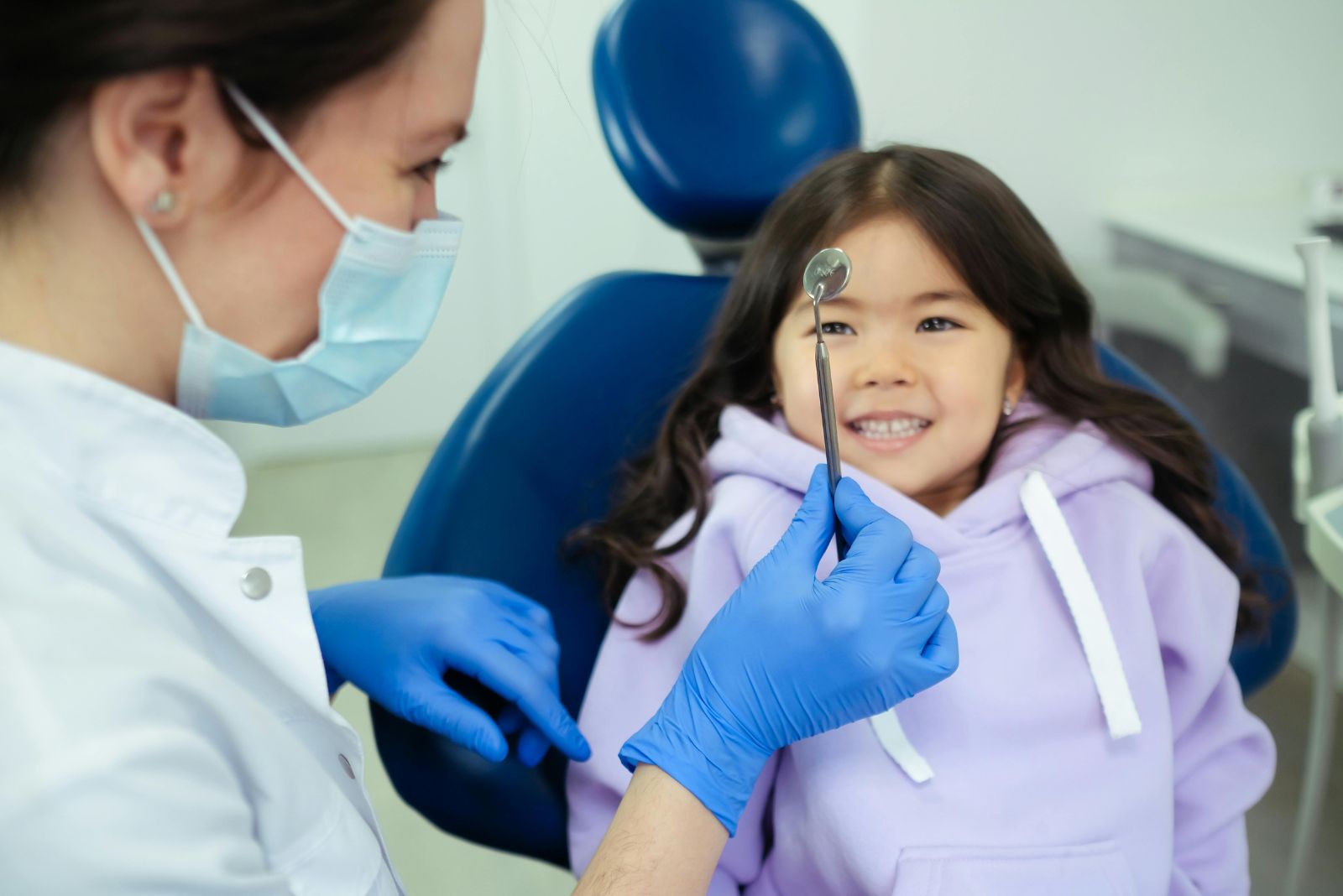
Early childhood is full of rapid change. Kids grow taller, their facial features mature, and their teeth shift as baby teeth fall out and permanent ones come in. During these years, even small changes in the mouth can shape how a child smiles later in life.
This is why early dental and orthodontics checks play a big role. An early evaluation can catch concerns before they grow into bigger problems that may require longer or more complicated treatment in the future.
Parents often want to know whether an early look at the teeth and jaw can truly make a difference, and the answer is yes it can guide growth, protect oral health, and support a child’s confidence for years to come.
Why Early Orthodontic Evaluation Matters for Growing Children
Understanding Growth Patterns in the Teeth and Jaw
Children’s jaws develop quickly during their early years. The bones are still soft and flexible, which makes it much easier to guide growth in the right direction. When a dentist examines a child early, they can see whether the upper and lower jaws are growing evenly.
They can also tell if there is enough space for the permanent teeth that will appear later, which is something a kids dentist Methuen often checks during routine visits.If concerns are spotted at this age, treatment is often simpler.
A gentle appliance can widen the arch, improve spacing, or guide the jaw before it becomes harder to move. With early support provided at the right stage, children can avoid many future issues.
This approach helps prevent certain problems from taking root, reducing the chance of discomfort or longer treatment as they grow.
How Breathing and Oral Habits Affect Development
Some children breathe through their mouths instead of their noses. This habit may look harmless, but it can affect jaw shape, tooth position, and even the way the face grows.
Mouth breathing can cause the jaw to narrow or shift, making it harder for teeth to fit correctly.
Other habits, such as thumb-sucking or prolonged pacifier use, also play a role. When these habits continue for too long, they can push teeth out of alignment or change the way the front teeth meet.
Early evaluation allows a dentist to spot these habits, explain their impact to parents, and guide the child in stopping them before they affect long-term development.
Problems That Can Be Prevented with Early Checks
Preventing Severe Crowding
Crowding happens when there is not enough room for the teeth to line up properly. Many parents only notice crowding when the permanent teeth start coming in, but the warning signs often appear much earlier.
During a check, the dentist can measure jaw width, spacing, and tooth position. If they see that the jaw may not be wide enough, early treatment can help create more room.
This early approach reduces the chance of future crowding and makes later treatment smoother. It can even prevent the need for tooth removal in certain cases because the jaw can be guided to grow in a better way.
Avoiding Future Bite Problems
Bite problems, such as overbite, underbite, crossbite, or open bite, can affect chewing, speaking, and smiling. These issues are much easier to fix when the bones are still growing.
An early check can show whether the upper and lower jaws meet correctly or whether one jaw is growing too quickly.If the dentist finds that the bite is developing incorrectly, interceptive care can help.
This care gently guides the bite into a healthier position and reduces future complications. Without early attention, the problem may worsen with age and require more complex treatment during the teen years.
Reducing the Chance of Jaw Growth Imbalance
Sometimes one side of the jaw grows faster than the other, or the upper and lower jaws may grow at different speeds. When this imbalance is caught early, it is usually easier to fix.
The dentist can recommend a simple device to guide the jaw, helping it grow more evenly.
If these imbalances are missed, they can lead to chewing difficulties, discomfort, or noticeable changes in the appearance of the face.
When children are guided at the right time, especially with options like braces for kids Methuen, they have a better chance at balanced growth and a more natural smile shape.
Preventing Speech Difficulties Linked to Tooth Position
The position of the teeth affects the way certain sounds are formed. When teeth stick out, tilt inward, or do not meet properly, speech sounds like “s,” “t,” and “th” can become harder for children to pronounce. Early checks allow dentists to identify whether misaligned teeth may be behind speech challenges.
By improving tooth position early, children can develop clearer speech patterns, helping them feel more confident in school and during social interactions.

Supporting Healthy Facial Development
The alignment of the teeth and jaw does more than shape the smile; it also affects the overall balance of the face. When growth is guided early, the cheeks, lips, and jawline can develop in a more natural and balanced way.
This is especially important for children living in Methuen, where many parents look for early support to encourage healthy facial growth as their kids enter the school years.
When the jaw develops correctly, it also supports better breathing, chewing, and comfort. Early checks give children the chance to grow in a healthier direction from the start.
How Early Evaluations Improve Long-Term Oral Health
Preventing Tooth Wear and Damage
When the teeth do not line up properly, they can rub against each other in ways they should not. This can cause early wear, chipping, or grinding. Children with protruding teeth are also more likely to injure their front teeth during sports or play.
Early evaluations help spot these risks so parents can take action before damage occurs.With the right guidance, teeth can be aligned in safer positions, reducing the chance of wear or injury later on.
Helping Children Feel More Confident About Their Smile
Kids notice their smiles. If something feels “off,” they may feel shy or uncomfortable around others. Early checks help identify improvements that can make a big difference in how a child feels.
For example, imagine a child who struggles to bite into foods because their front teeth don’t meet correctly.
With early guidance, those teeth can be brought into better alignment, making chewing easier and helping the child feel more comfortable showing their smile. Simple examples like this show how early support can improve confidence and daily life.
Saving Time and Money in Future Treatment
When small issues are caught early, they can be corrected before they turn into bigger challenges. This often means shorter treatment times in the future.
Many children who receive early evaluations may still need braces later, but their treatment is usually easier, more comfortable, and faster because the main problems were addressed early.
Parents also appreciate that early correction may reduce the need for more advanced treatment later, making future care more predictable and less stressful.
What Happens During an Early Orthodontic Evaluation?
Simple Examination Process
The evaluation is straightforward and comfortable. The dentist begins with a visual exam, checking how the teeth are positioned and how the jaws are growing. X-rays may be taken to look at the roots, bone structure, and the direction of developing permanent teeth.
With this information, the dentist can predict growth patterns and explain what parents should expect in the coming years.
Many families find the process relaxed and easy for children, as it focuses on early understanding rather than immediate treatment.
When an Early Treatment Plan Is Recommended
Sometimes treatment begins early to prevent serious issues from forming. These early approaches may include expanders that widen the upper jaw, habit appliances that help children stop thumb-sucking, or space maintainers that protect space for permanent teeth.
These treatments are gentle and work with natural growth, making them more effective during childhood.
When Monitoring Is Enough
Not every child needs treatment right away. Some kids simply need regular check-ups so the dentist can watch for changes. These visits help track how the teeth and jaw develop over time, especially when early orthodontics may be helpful later on.
Families in Methuen often prefer this approach because it offers peace of mind without committing to immediate treatment. Monitoring ensures that if something does start to shift in an unhealthy direction, it is caught early and managed at the right time.
Conclusion
Early evaluation plays a meaningful role in a child’s long-term oral health. It supports proper growth, prevents certain problems from getting worse, and helps create a healthier, more confident smile.
Parents who explore early care are taking a positive step for their child’s future, and guidance from a trusted team like Happy Hoppers Dental Methuen can make the journey smoother and more reassuring.
Sources: